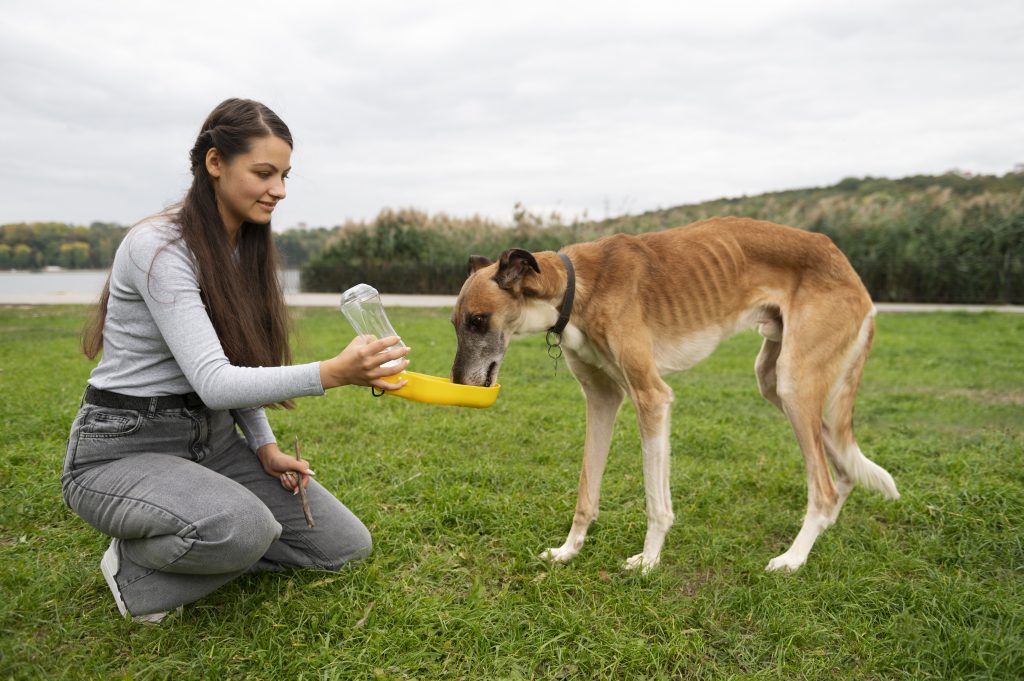
If you have noticed your dog drinking a lot of water lately, you are not alone. Many dog owners see their pup lapping up the water bowl and wonder if something is wrong. Sometimes it is nothing serious. A hot day or a long play session can make any dog thirsty. But a dog drinking a lot of water for days at a time can be an early sign of a health problem.
In this guide, you will learn how much water is normal, the seven most common causes, and exactly what to do next.
How Much Water Should a Dog Drink Every Day?
A healthy dog usually drinks about 1 ounce of water per pound of body weight each day. That means a 50-pound dog needs roughly 50 ounces, or a little over 6 cups.
Vets often say that drinking more than 1.5 ounces per pound daily is too much. This is called polydipsia. If your dog is drinking a lot of water and also peeing more than usual (polyuria), it is worth paying close attention.
Your dog’s needs can change with:
- Hot weather or a warm house
- Exercise level
- Age and size
- Diet (dry kibble vs. wet food)
- Nursing or pregnancy
7 Common Causes of a Dog Drinking a Lot of Water
1. Hot Weather and Exercise
This is the most harmless cause. Dogs cool off by panting, which makes them lose moisture fast. After a walk, a run at the park, or a hot afternoon, a dog drinking a lot of water is completely normal. Just make sure fresh water is always available.
2. Diet Changes
Dry kibble contains very little moisture, so dogs eating it tend to drink more than dogs on wet or fresh food. Salty treats, table scraps, and some prescription diets can also raise thirst. If you recently changed your dog’s food, that may explain the extra drinking.
3. Diabetes
Diabetes mellitus is a common reason for a dog drinking a lot of water. High blood sugar pulls water from the body, so your dog feels thirsty all the time. Other signs include:
- Increased appetite with weight loss
- Frequent urination
- Cloudy eyes
- Low energy
Diabetes needs veterinary care, but most dogs live happy lives with proper treatment.
4. Kidney Disease
When the kidneys stop working well, they cannot hold on to water. Your dog then pees more and drinks more to make up for it. Kidney disease is more common in senior dogs. Watch for vomiting, bad breath, poor appetite, and weight loss.
5. Cushing’s Disease
Cushing’s disease happens when the body makes too much cortisol. It is most often seen in middle-aged and older dogs. Along with a dog drinking a lot of water, you may notice:
- A pot-bellied look
- Thinning hair or hair loss
- Panting more than usual
- Skin problems
6. Urinary Tract Infection or Bladder Problems
A urinary tract infection (UTI) can make your dog feel the urge to pee often, which leads to more drinking. You may see straining, accidents in the house, or blood in the urine. UTIs are usually treated with antibiotics, so do not wait to call your vet.
7. Medications and Other Conditions
Some medicines, such as steroids (like prednisone) and certain diuretics, can make a dog thirsty. Liver disease and a serious womb infection called pyometra in unspayed females can also cause a dog drinking a lot of water. Pyometra is an emergency, so call a vet right away if your unspayed female is drinking heavily, lethargic, or has discharge.
When to Call the Vet
A single thirsty day is usually fine. But you should book a vet visit if your dog is drinking a lot of water for more than 24 to 48 hours without a clear reason, like heat or exercise.
Call your vet right away if you notice:
- Vomiting or diarrhea
- Extreme tiredness or weakness
- Loss of appetite
- Sudden weight loss
- Very frequent peeing or accidents
- Swollen belly
- Discharge from the vulva (in unspayed females)
What to Do If Your Dog Is Drinking a Lot of Water
Here are simple steps you can take at home while you decide if a vet visit is needed.
- Measure the water. Fill the bowl with a known amount, such as 32 ounces, and check how much is gone after 24 hours. This gives your vet useful numbers.
- Track bathroom trips. Note how often your dog pees and if the urine looks different.
- Keep fresh water available. Never limit water unless your vet tells you to. Restricting it can cause dehydration and make things worse.
- Check the diet and treats. Cut back on salty snacks and see if the thirst settles.
- Write down other changes. Appetite, energy, weight, and behavior all help your vet find the cause.
What Will the Vet Do?
Your vet will start with a physical exam and ask about your dog’s habits. They may then recommend:
- Blood tests to check blood sugar, kidney, and liver function
- A urinalysis to look for infection, sugar, or dilute urine
- X-rays or an ultrasound if needed
- Hormone tests if Cushing’s disease is suspected
Finding the problem early gives your dog the best chance at a full and comfortable recovery.
Can You Prevent It?
You cannot prevent every cause, but you can lower the risk with good habits:
- Schedule regular vet checkups, especially for senior dogs
- Feed a balanced, high-quality diet
- Keep your dog at a healthy weight
- Spay female dogs to prevent pyometra
- Learn your dog’s normal drinking habits so changes stand out
Final Thoughts
A dog drinking a lot of water is not always a reason to panic, but it should never be ignored for long. Heat, exercise, and diet are easy to spot and fix. Ongoing thirst, especially with other symptoms, can point to diabetes, kidney disease, Cushing’s disease, or an infection. Measure your dog’s water, watch for other changes, and call your vet if the extra drinking continues. Acting early can make a big difference for your best friend.