
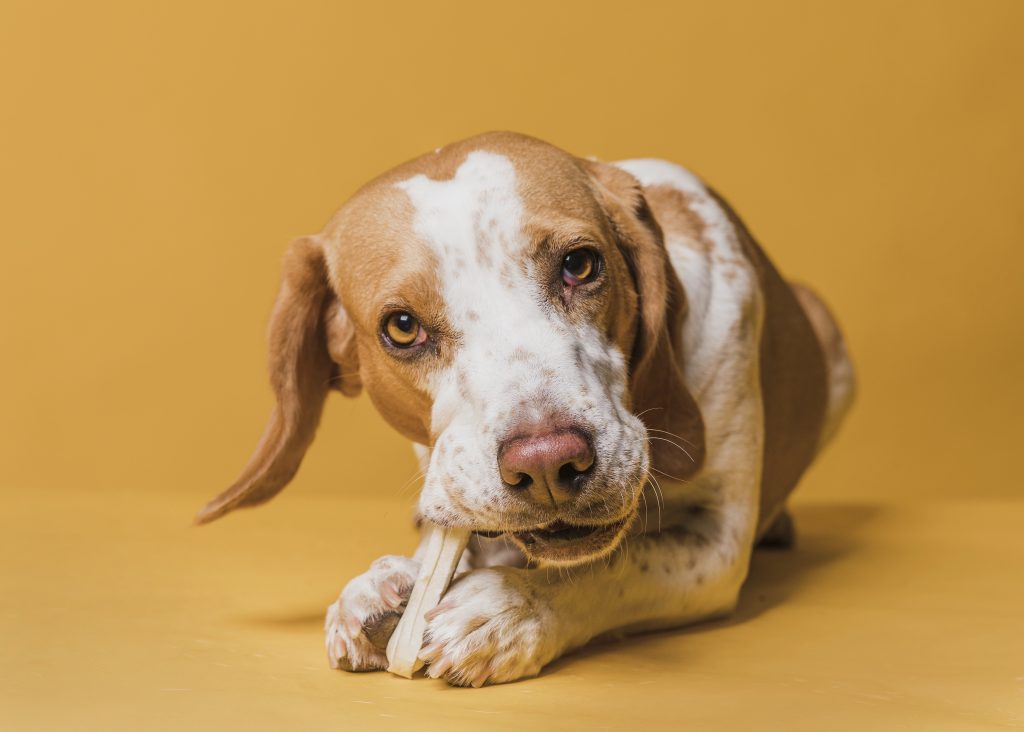

Can Dogs Eat Chicken Bones? Risks & What to Do
Can dogs eat chicken bones? It is one of the most common questions dog owners in the United States ask, especially after a barbecue, a holiday dinner, or a late-night snack that ended up on the floor. The short answer is no. Chicken bones can be dangerous for dogs, and some can cause serious injuries.
Still, one dropped drumstick does not always mean disaster. Many dogs swallow a bone and feel fine. Others end up at the emergency vet. Knowing the risks and the right steps to take can make all the difference.
This guide answers the question “can dogs eat chicken bones” in plain English. You will learn why bones are risky, how to spot trouble, what to do right away, and how to keep your dog safe in the future.
Can Dogs Eat Chicken Bones? The Short Answer
When people ask, “can dogs eat chicken bones,” they usually picture a harmless snack. After all, dogs descended from wolves, and wolves chew bones. However, your pet dog is not a wild wolf, and the bones on your dinner plate are not the same as fresh, raw bones from prey.
Most veterinarians, including the American Veterinary Medical Association and the FDA, warn against feeding cooked chicken bones. Cooking changes the structure of the bone. It becomes dry, hard, and brittle. Instead of bending or crushing, a cooked bone can snap into sharp splinters.
So, can dogs eat chicken bones safely? Cooked bones are never a good idea. Raw bones are a more debated topic, and we will cover that below.
Why Cooked Chicken Bones Are Dangerous for Dogs
The main problem with cooked chicken bones is what happens after your dog swallows them. Here are the biggest risks:
- Choking: A bone can get stuck in the throat or mouth, blocking the airway.
- Mouth and tongue injuries: Sharp splinters can cut the gums, tongue, or roof of the mouth.
- Broken teeth: Hard chewing on brittle bone can crack a tooth, which often needs a costly dental procedure.
- Esophageal damage: A sharp piece can scratch or puncture the tube leading to the stomach.
- Stomach and intestinal blockage: Bone chunks can get stuck in the digestive tract and stop food from passing.
- Perforation: Splinters can poke a hole through the stomach or intestine wall.
- Peritonitis: If the gut is punctured, bacteria can leak into the belly. This is a life-threatening infection.
- Constipation: Bone fragments can turn stools hard, dry, and painful to pass.
Because of these dangers, the honest answer to “can dogs eat chicken bones” is that the risk is not worth it.
Are Raw Chicken Bones Safe for Dogs?
Some owners and raw feeders believe raw bones are safer than cooked ones. Raw bones are softer and more flexible, so they are less likely to splinter. Even so, they still carry real risks.
Raw chicken bones can cause the same choking and blockage problems as cooked bones. They can also carry harmful bacteria such as Salmonella and Campylobacter. These germs can make your dog sick, and they can also spread to people in your home, especially children and older adults.
Because of this, many vets in the U.S. do not recommend raw chicken bones either. If you are thinking about a raw diet, talk to your veterinarian first. They can suggest safer options and help you avoid the risks.
Which Chicken Bones Are the Most Dangerous?
Not every bone is equally risky. When you wonder whether dogs can eat chicken bones after a meal, keep in mind that some parts are worse than others.
- Drumstick and thigh bones: These are long and hollow, and they can break into sharp, pointed pieces.
- Wing bones: These are small and thin, so they are easy to swallow whole and can splinter.
- Rib and back bones: These are narrow and can easily lodge in the throat.
- Neck bones: These are small and brittle, especially once cooked.
Fried, smoked, and grilled bones are the worst. The high heat makes them drier and more fragile.
Signs Your Dog Is in Trouble After Eating a Chicken Bone
After you find out your dog ate a bone, watch him closely. Some symptoms show up right away, while others may take a day or two. Call your vet if you see any of these signs:
- Gagging, coughing, or choking
- Drooling more than usual
- Pawing at the mouth
- Repeated swallowing or lip licking
- Vomiting or retching
- Refusing food or water
- Lethargy or unusual quietness
- A swollen, hard, or painful belly
- Straining to poop or passing no stool
- Diarrhea or black, tarry stool
- Blood in the vomit or stool
- Pale gums, weakness, or collapse
Trouble breathing, collapse, or severe pain means you should go to an emergency vet right away.
What to Do If Your Dog Ate a Chicken Bone
Now for the big question. If your dog gets into the trash or snatches a bone, what should you do? Stay calm and follow these steps:
- Take away any leftover bones. Make sure your dog cannot grab more.
- Check his mouth. If you can see a bone piece and it is easy to remove, gently take it out. Never dig around blindly, and don’t get bitten.
- Do not induce vomiting. Making a dog throw up can push sharp pieces back up the esophagus and cause more damage. Only do this if your vet tells you to.
- Call your vet or an emergency clinic. Explain how big your dog is, what kind of bone he ate, and how much.
- Consider a poison helpline. The ASPCA Animal Poison Control Center and the Pet Poison Helpline can also give guidance. They may charge a consultation fee.
- Follow professional advice. Your vet may say to watch at home or bring your dog in for X-rays.
- Monitor for several days. Watch his appetite, energy, and stool for at least 72 hours.
Some old advice online says to feed bread or cotton balls to “cushion” the bone. Do not do this without your vet’s approval. It does not work for every dog, and it can make things worse.
How Vets Treat Dogs That Swallowed Chicken Bones
If your vet wants to see your dog, they will start with a physical exam and likely take X-rays. Bones often show up on X-rays, which helps them see where the pieces are and whether there is a blockage.
Treatment depends on the situation:
- Monitoring: Small pieces often pass on their own with close observation and a soft diet.
- Endoscopy: A vet can use a small camera to remove bone stuck in the throat or stomach.
- Surgery: If a bone blocks or punctures the intestine, emergency surgery may be needed.
- Supportive care: IV fluids, pain medicine, and antibiotics may help a sick dog recover.
In the U.S., costs vary a lot. An exam and X-rays may run a few hundred dollars, while emergency surgery can reach several thousand. Catching the problem early usually means better results and a smaller bill.
What If Your Dog Ate Only a Small Piece?
Many owners search “can dogs eat chicken bones” because their dog already swallowed one. It is natural to panic, but small pieces sometimes pass without trouble, especially in large dogs.
Even so, size matters. A small dog, like a Chihuahua or Yorkie, is at greater risk than a big Lab. In addition, you can never be sure how the bone will move through the digestive tract. Always call your vet for guidance instead of guessing.
Safe Alternatives to Chicken Bones
You can still give your dog something to chew and enjoy. Instead of asking “can dogs eat chicken bones,” try these safer options:
-
Dental chews:
Look for products with the VOHC seal, which means they help control plaque and tartar.
-
Rubber chew toys:
Durable toys like KONG products can keep your dog busy for hours.
-
Frozen treats:
Freeze plain, low-sodium broth or dog-safe fruit in a KONG.
-
Plain cooked chicken:
Boneless, skinless, unseasoned chicken breast is a great lean protein treat.
-
Carrots:
Crunchy, low in calories, and gentle on teeth.
-
Bully sticks:
These are digestible, but choose the right size and always supervise.
Avoid onions, garlic, heavy seasoning, and fatty skin when sharing chicken, since they can upset your dog’s stomach or cause pancreatitis.
How to Prevent Your Dog From Eating Chicken Bones
The easiest way to answer “can dogs eat chicken bones” is to make sure it never comes up. Prevention is simple with a few habits:
- Use a trash can with a tight, locking lid.
- Take out the garbage right after cooking.
- Never leave plates or leftovers on the counter or table.
- Tell guests and kids not to feed the dog table scraps.
- Watch your dog closely at cookouts, picnics, and holidays.
- Teach commands like “leave it” and “drop it.”
- Keep your dog away from the kitchen while you cook.
Also, be careful on walks. Dogs often find discarded bones on sidewalks or in parks, especially after events and tailgates.
Frequently Asked Questions
Can dogs eat chicken bones if they are cooked?
No. Cooked chicken bones splinter easily and can injure the mouth, throat, and digestive system. Vets strongly advise against them.
Can dogs eat chicken bones safely if they are raw?
Raw bones are softer, but they still carry choking, blockage, and bacteria risks. Most vets recommend safer alternatives.
How long after eating a chicken bone will a dog show symptoms?
Signs can appear within a few hours, though some dogs show problems after one to three days. That is why close monitoring matters.
Will stomach acid dissolve a chicken bone?
Stomach acid can soften some bone, but it does not always break it down fast enough. Sharp pieces can still cause damage before that happens.
Should I make my dog throw up after he eats a bone?
No, not unless a vet tells you to. Vomiting can cause more injury.
Final Thoughts
So, can dogs eat chicken bones? The safest answer is no. Cooked bones are the most dangerous, and even raw bones carry risks. If your dog swallows one, stay calm, remove any remaining bones, and call your vet for advice. With a few easy prevention habits and safer chew options, you can keep your best friend healthy, happy, and out of the emergency room.

Pingback: Dog Vomiting White Foam