Kidney failure in dogs is one of the most frightening diagnoses a pet owner can hear. The kidneys work quietly around the clock, and by the time a dog looks sick, a large part of their filtering power may already be gone. The good news is that early action makes a real difference. Understanding kidney failure in dogs helps you spot warning signs sooner and give your pet the best possible quality of life.
This guide covers what the kidneys do, the main symptoms, common causes, how vets diagnose the problem, and which treatments and home care steps can help.
What Is Kidney Failure in Dogs?
A dog’s kidneys filter waste from the blood, balance fluids and minerals, help control blood pressure, and support red blood cell production. Kidney failure in dogs, also called renal failure, happens when the kidneys can no longer do these jobs properly. Waste builds up in the bloodstream, and the body slowly becomes toxic.
Vets describe two main forms of kidney failure in dogs:
- Acute kidney injury (AKI): A sudden loss of kidney function, often within hours or days. It is usually triggered by a toxin, infection, or severe dehydration. If caught quickly, some dogs recover well.
- Chronic kidney disease (CKD): A slow, progressive loss of function over months or years. It is more common in senior dogs and cannot be cured, but it can often be managed for a long time.
Knowing which type your dog has changes the treatment plan and the outlook, so a proper diagnosis matters.
Symptoms of Kidney Failure in Dogs
Early signs are easy to miss because they look like normal ageing or a mild stomach upset. Watch for these changes:
- Drinking much more water than usual
- Passing large amounts of urine, or having accidents indoors
- Reduced appetite or refusing food
- Vomiting, drooling, or lip licking
- Weight loss and muscle wasting
- Low energy or sleeping more
- Pale gums and a dull coat
- Bad breath with a chemical or ammonia smell
- Mouth ulcers
In advanced stages, you may see diarrhoea, blood in the urine, very little or no urine, tremors, seizures, or collapse. Sudden symptoms with lethargy and vomiting can point to acute kidney injury, which is an emergency.
Increased thirst and urination are often the first clues. If you notice them for more than a day or two, book a vet visit rather than waiting.
Main Causes of Kidney Failure in Dogs
There is rarely one single cause. Several factors can damage the kidneys, and some dogs face more than one risk at the same time.
Toxins and Poisons
Antifreeze (ethylene glycol) is one of the deadliest household poisons, even in tiny amounts. Grapes, raisins, and sultanas have also caused kidney damage in some dogs, and no safe amount is known. Human painkillers such as ibuprofen and naproxen can harm a dog’s kidneys quickly.
Infections
Leptospirosis, spread through water or soil contaminated by infected animal urine, is a well-known cause of kidney failure in dogs, especially for dogs that swim or walk through stagnant water. Untreated urinary tract infections can also travel upward and damage the kidneys.
Dehydration and Low Blood Flow
Heatstroke, severe vomiting and diarrhoea, blood loss, or major surgery can reduce blood flow to the kidneys, and kidney tissue is injured without enough blood. This is why dogs must always have fresh water, especially in hot weather.
Age and Genetics
Ageing kidneys wear down naturally, so chronic kidney disease is far more common in older dogs. Some breeds also inherit kidney problems, including Cairn Terriers, Bull Terriers, Samoyeds, Shar-Peis, and Cocker Spaniels.
Other Medical Conditions
Diabetes, high blood pressure, Cushing’s disease, kidney stones, urinary blockages, and some cancers can all contribute to kidney damage over time.
How Vets Diagnose Kidney Failure in Dogs
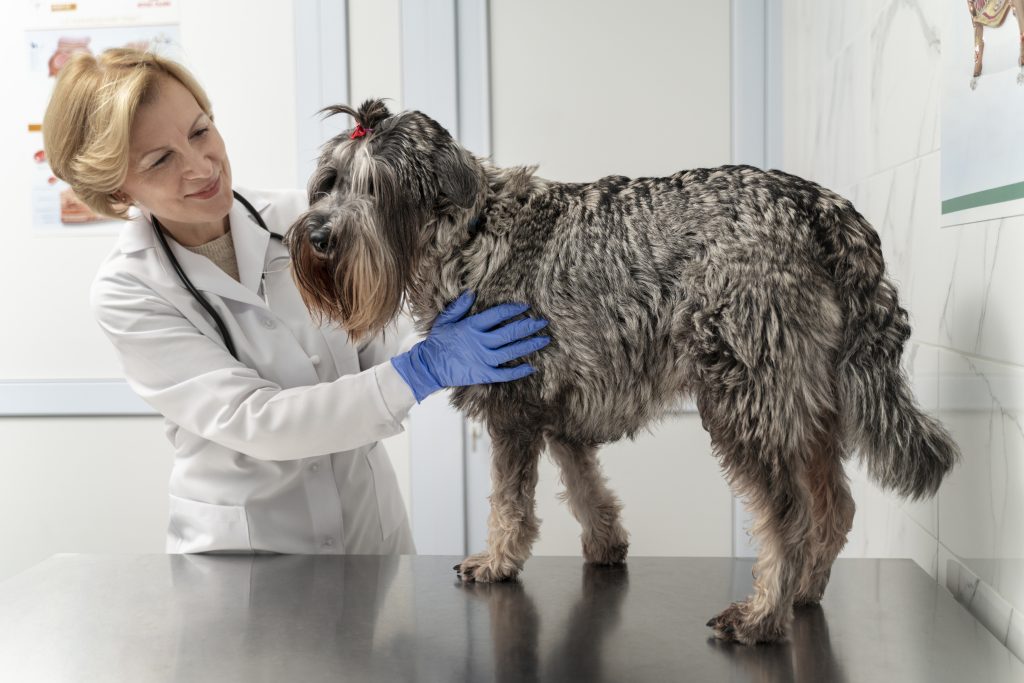
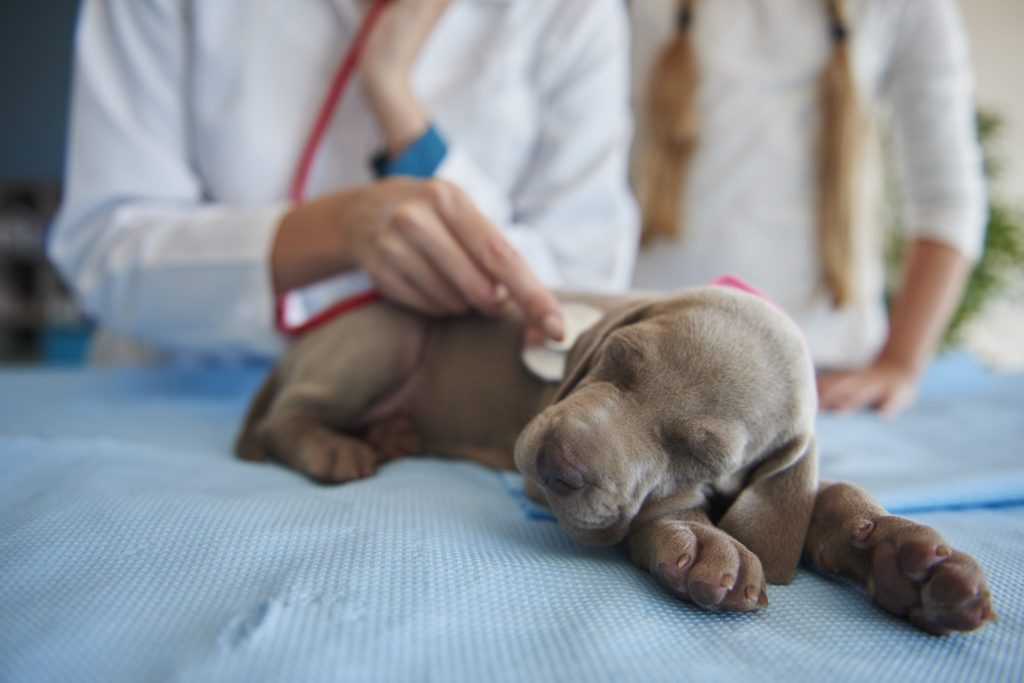
Your vet will start with a physical exam and ask about your dog’s thirst, appetite, medications, and any chance of poisoning. Then they will usually recommend:
- Blood tests: Creatinine and BUN (urea) rise when the kidneys struggle. SDMA is a newer marker that can detect kidney decline earlier than creatinine.
- Urinalysis: This checks how well the kidneys concentrate urine. Very dilute urine is a classic sign. It also looks for protein, blood, and infection.
- Imaging: X-rays or ultrasound show kidney size, shape, stones, or blockages.
Stages of Chronic Kidney Disease
Vets often use the IRIS (International Renal Interest Society) system to grade chronic kidney disease from stage 1 to stage 4.
- Stage 1: Kidney changes are present, but blood values are still normal and symptoms are few or absent.
- Stage 2: Mild decline. Increased thirst and urination may appear.
- Stage 3: Moderate decline. Vomiting, poor appetite, and weight loss become common.
- Stage 4: Severe kidney failure. Signs are obvious and dogs often need intensive care.
Dogs diagnosed in earlier stages generally live longer than those diagnosed late.
Treatment for Kidney Failure in Dogs
Treatment for kidney failure in dogs depends on whether the problem is sudden or long term, and on how advanced it is.
Acute Kidney Injury
Dogs with acute kidney injury usually need hospital care. The goals are to remove the cause, flush the system, and support the kidneys while they heal.
- Intravenous (IV) fluids to rehydrate the dog and help flush toxins
- Anti-nausea medication to keep the dog comfortable
- Antidotes or antibiotics if a specific poison or infection is found
- Dialysis at specialist centres for severe cases, where available
Some dogs recover fully, while others are left with permanent damage and move into chronic care.
Chronic Kidney Disease
Chronic kidney disease cannot be reversed, but good management can slow its progress and keep your dog feeling well.
- Prescription kidney diet: These foods are lower in phosphorus and contain controlled, high-quality protein. Studies show they can slow progression and improve survival.
- Fluid therapy: Some dogs benefit from fluids given under the skin at home, taught by your vet.
- Blood pressure medication: Drugs such as ACE inhibitors or telmisartan are often used.
- Anti-nausea drugs and appetite stimulants: These help dogs keep eating.
Never give your dog any medicine or supplement without asking your vet first, because many common drugs are unsafe for dogs with kidney problems.
Home Care for Kidney Failure in Dogs
Home care plays a big role in how well a dog copes. These habits can help:
- Provide fresh water at all times. Dogs with kidney disease lose a lot of water and must be able to drink freely.
- Feed the recommended diet. If your dog refuses the new food, try warming it slightly or ask your vet about other approved options. Avoid salty snacks and table scraps.
- Keep a routine. Regular meals and gentle walks reduce stress.
- Write things down. Track appetite, water intake, weight, vomiting, and energy so your vet can adjust treatment.
- Schedule rechecks. Blood and urine tests every few months show how the kidneys are coping.
Prognosis and Life Expectancy
The outlook for kidney failure in dogs varies widely. A dog with early-stage chronic kidney disease who gets proper care may live for years with a good quality of life. A dog in stage 4 may have only weeks to months. Acute kidney injury can be life-threatening, but dogs treated quickly may recover much of their function. Your vet is the best person to explain what to expect for your own dog.
How to Help Prevent Kidney Failure in Dogs
Not every case can be prevented, but you can lower the risk:
- Keep antifreeze, human medicines, and chemicals out of reach.
- Never feed grapes, raisins, or sultanas.
- Do not give painkillers made for people.
- Vaccinate against leptospirosis if it is common in your area.
- Provide clean drinking water every day.
- Book yearly check-ups, and twice-yearly for senior dogs, including blood and urine tests.
When to See a Vet
If you suspect kidney failure in dogs, call your vet straight away when your dog has sudden vomiting, extreme tiredness, no urine, seizures, or any known contact with a poison. Contact your vet within a day or two if you notice increased thirst, frequent urination, weight loss, or a drop in appetite. Early testing is simple, and it gives your dog the most options
Final Thoughts
Kidney failure in dogs is serious, but it does not always mean the end of a happy life. Watching for early signs, avoiding toxins, keeping up with vet visits, and following a kidney-friendly diet can protect your dog’s health and comfort. If your dog shows any warning signs, talk to your vet soon. The earlier kidney failure in dogs is found, the more your vet can do to help.
This article is for general information only and does not replace advice from a qualified veterinarian.