
Bringing a pet home is one of the happiest moments in life, but it also comes with a big responsibility. Whether you own a dog, a cat, a rabbit, or a bird, your pet depends on you for food, safety, and love. The good news is that you do not need to be an expert to do a great job. With a few simple pet care tips, you can build healthy daily habits that help your companion live a longer, happier life.
In this guide, you will learn the most useful pet care tips for beginners and experienced owners alike. We will cover nutrition, exercise, grooming, health checks, training, and more, so you can keep your pet healthy at every stage of life.
Why Pet Care Tips Matter
Pets cannot tell us when something feels wrong. A small change in appetite, energy, or behavior can be the first sign of a health problem. When you follow reliable pet care tips, you can prevent many common issues before they become serious and expensive.
Good care also builds trust. A pet that is fed on time, exercised daily, and treated gently becomes more confident and more affectionate. Healthy pets are easier to train, calmer at home, and far less likely to develop behavior problems. In short, the effort you put into daily care comes back to you as years of joyful companionship.
1. Feed a Balanced Diet
Nutrition is the foundation of every list of pet care tips. Your pet needs the right mix of protein, healthy fats, vitamins, and minerals to stay strong. Choose a high-quality food that matches your pet’s species, age, size, and activity level. A puppy needs different nutrients than a senior dog, and a kitten has different needs than an adult cat.
Here are a few simple feeding rules to follow:
- Read the label and choose food where a real protein source, such as chicken or fish, is listed first.
- Feed at regular times each day instead of leaving food out all day.
- Measure portions so your pet does not become overweight.
- Introduce any new food slowly over about a week to avoid stomach upset.
- Keep treats to a small part of the daily diet; this is one of the easiest pet care tips for avoiding obesity.
Be careful with human food. Chocolate, grapes, raisins, onions, garlic, and anything sweetened with xylitol can be toxic to dogs. If you are unsure whether a food is safe, ask your vet before sharing it.
2. Always Provide Fresh, Clean Water
Water is just as important as food. Pets can become dehydrated quickly, especially in hot weather. Keep a clean bowl of fresh water available at all times and wash the bowl every day to prevent bacteria from building up.
Some cats prefer running water, so a pet water fountain can encourage them to drink more. Among all pet care tips, this one is the easiest to follow and one of the most powerful.
3. Give Daily Exercise
Exercise keeps your pet’s body strong and their mind calm. Dogs usually need at least one or two walks every day, while cats enjoy short play sessions with toys, climbing spaces, and scratching posts. The exact amount depends on breed, age, and health, but every pet needs regular movement.
Daily exercise helps in several ways:
- It controls weight and protects the heart and joints.
- It burns extra energy that might otherwise turn into chewing or barking.
In hot and humid climates, walk your dog early in the morning or in the evening. Hot pavement can burn paws, and heat stroke is a real danger in the middle of the day. Following these practical pet care tips will keep exercise safe and enjoyable.
4. Schedule Regular Vet Visits and Vaccinations
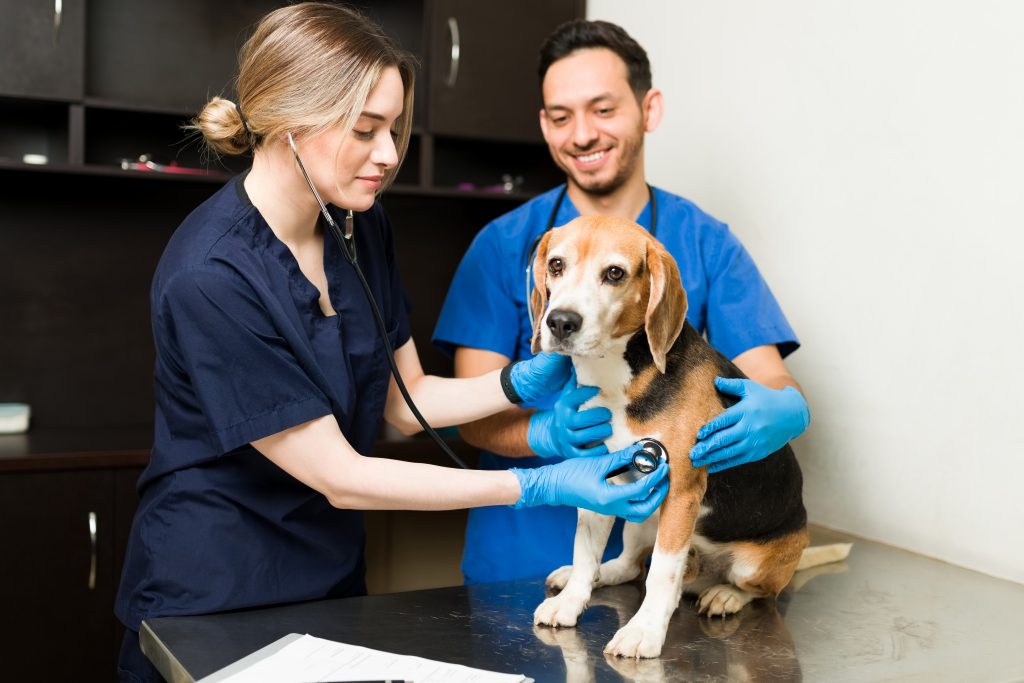
Even a healthy-looking pet should see a veterinarian at least once a year. Regular checkups help detect hidden problems early, and early treatment is almost always easier and cheaper. Puppies and kittens need a series of vaccinations in their first months, followed by boosters as advised by your vet.
Vaccines protect against serious diseases such as rabies, parvovirus, and distemper. Ask your vet to create a vaccination and deworming schedule for your pet and keep a record of every visit. Never skip this step, because it is one of the most important pet care tips for long-term health.
5. Keep Up with Grooming
Grooming is not only about looks. It keeps the skin and coat healthy and helps you notice lumps, wounds, or parasites early.
- Brushing: Brush long-haired pets several times a week and short-haired pets weekly to remove loose fur and prevent tangles.
- Bathing: Bathe your pet only when needed, using a shampoo made for pets. Human shampoo can dry out their skin.
- Nail trimming: Overgrown nails can cause pain and affect how your pet walks. Trim them every few weeks.
- Ear cleaning: Check the ears regularly for redness, bad smell, or dirt, and clean gently with a vet-approved solution.
Make grooming a calm routine; these pet care tips work best with gentle handling and small rewards.
6. Do Not Ignore Dental Care
Dental disease is one of the most common health problems in pets, yet many owners overlook it. Bad breath, yellow teeth, and red gums can be signs of plaque and infection, which may spread to other organs over time.
Brush your pet’s teeth with a pet-safe toothpaste a few times a week if possible. Never use human toothpaste, as it can upset their stomach. Dental chews and toys can also help reduce plaque. Add professional dental checks to your list of regular pet care tips, and ask your vet when a cleaning is needed.
7. Protect Against Fleas, Ticks, and Worms
Parasites can cause itching, infections, anemia, and even serious diseases. Fleas and ticks are especially active in warm, humid weather. Use a flea and tick prevention product recommended by your vet, and give regular deworming treatment as advised.
If you notice constant scratching, hair loss, or small black dots on the skin, contact your vet instead of guessing at home remedies. Parasite control is one of the most overlooked pet care tips, but it makes a huge difference.
8. Train and Socialize Your Pet
A well-trained pet is safer and happier, which is why training is among the best pet care tips. Start with basic commands such as sit, stay, come, and leave it. Use positive reinforcement, which means rewarding good behavior with praise, a treat, or a favorite toy.
Socialization is equally important. Introduce your pet slowly to new people, sounds, places, and other animals, especially during the first few months of life. A well-socialized pet is less likely to become anxious or aggressive.
9. Create a Safe and Comfortable Home
Your home should be a safe place for your pet to rest and play. Give your pet a clean, quiet bed away from loud noise and direct heat. Keep dangerous items out of reach, including medicines, cleaning products, small objects that can be swallowed, and electrical wires.
If your pet spends time outdoors, make sure the yard is securely fenced and that there is shade and water available. A microchip and an ID tag with your phone number are also smart safety measures. These simple pet care tips can prevent accidents and help you recover a lost pet quickly.
10. Learn the Warning Signs of Illness
Knowing what is normal for your pet helps you spot problems early. Contact your vet if you notice any of these signs:
- Loss of appetite or sudden weight change
- Vomiting or diarrhea that lasts more than a day
- Unusual tiredness or hiding
- Difficulty breathing, coughing, or sneezing
- Limping or trouble standing up
- Excessive drinking or urination
- Changes in behavior or sudden aggression
Do not wait for symptoms to get worse. Early action can save your pet’s life. This is one of the most valuable pet care tips every owner should remember.
Frequently Asked Questions
How often should I take my pet to the vet? Healthy adult pets should visit the vet at least once a year. Puppies, kittens, and senior pets may need more frequent visits.
What is the most important of all pet care tips? A balanced diet, clean water, regular exercise, and routine vet care together form the foundation of good health. No single habit can replace the others.
Final Thoughts
Caring for a pet does not have to be complicated. Feed good food, provide fresh water, keep your pet active, visit the vet regularly, and give plenty of love and attention. Start applying these pet care tips today, one small habit at a time, and you will notice a healthier, happier, and more energetic companion. Your pet gives you unconditional love every day, and with the right care, you can give the same back for many years to come.