Dog UTI Symptoms: Signs, Causes & When to See a Vet
Dog UTI symptoms can be easy to miss at first. Maybe your pup is asking to go outside every ten minutes, or you found a puddle on the floor even though your dog has been house-trained for years. It’s frustrating, but it’s also your dog’s way of telling you something is wrong.
A urinary tract infection (UTI) is one of the most common health problems in dogs, and it’s very treatable when caught early. The tricky part is that a UTI can look like other conditions, and left alone it can spread to the kidneys. This guide walks you through the most common dog UTI symptoms, what causes them, how vets treat them, and when you shouldn’t wait to get help.
What Is a UTI in Dogs?
A UTI happens when bacteria get into the urinary tract and multiply. The urinary tract includes the kidneys, ureters, bladder, and urethra. Most infections start in the lower tract, meaning the urethra and bladder. When bacteria travel upward, they can reach the kidneys and cause a much more serious infection.
Female dogs get UTIs more often than males because their urethra is shorter and closer to the rectum, which makes it easier for bacteria to climb in. Still, any dog can develop dog UTI symptoms, no matter the age, breed, or sex.
Common Dog UTI Symptoms
Not every dog shows every sign, and mild infections can be subtle. Here are the dog UTI symptoms to watch for:
Frequent urination. Your dog needs to go out constantly but only passes small amounts each time.
Straining to pee. You may see your dog squatting for a long time, whining, or looking uncomfortable with little or no urine coming out.
Blood in the urine. Pink, red, or brownish urine is one of the clearest dog UTI symptoms.
Cloudy or strong-smelling urine. Infected urine often looks murky and has an unusually sharp odor.
Accidents in the house. A dog who is normally reliable may suddenly leak or have accidents because they can’t hold it.
Excessive licking. Constant licking of the genital area often means irritation or pain.
Pain or discomfort. Some dogs cry out while urinating, hunch their back, or flinch when you touch their belly.
Fever, tiredness, or low appetite. These signs can suggest the infection is more serious or has reached the kidneys.
Vomiting. This isn’t a typical sign of a simple bladder infection, so it’s worth a quick call to your vet.
If you notice more than one of these dog UTI symptoms, it’s time to book an appointment.
Dog UTI Symptoms in Male vs. Female Dogs
The signs are similar in both sexes, but there are a few differences worth knowing.
Female dogs tend to show classic dog UTI symptoms like frequent squatting, accidents, and licking. Because they get infections more often, some females deal with repeat UTIs.
Male dogs can develop UTIs too, and they may be linked to prostate problems, especially in older, unneutered dogs. A male dog straining to pee with only drips coming out is a red flag. If your male dog can’t pass urine at all, that’s an emergency. A blocked urethra can become life-threatening within hours.
What Causes UTIs in Dogs?
Most UTIs are caused by bacteria, and E. coli is the most common culprit. It normally lives in the intestines and around the skin near the rear end, and it can travel up the urethra into the bladder. Several things make this more likely:
- Bladder stones or crystals. These irritate the bladder lining and give bacteria a place to hide.
- Diabetes. Sugar in the urine feeds bacteria.
- Cushing’s disease. This hormone condition weakens the immune system and dilutes the urine.
- Kidney disease. Dilute urine is less able to fight off infection.
- Weak immune system. Steroids or other illnesses can lower your dog’s defenses.
- Anatomy problems. Some dogs have extra skin folds around the vulva or a urethra shape that traps bacteria.
- Prostate disease in male dogs.
- Holding urine too long. Dogs who wait many hours between potty breaks give bacteria time to grow.
- Bladder tumors or other growths.
- Aging. Senior dogs are more likely to have weak bladder control and lower immunity.
Understanding the cause matters, because a dog with repeated infections may have an underlying condition that needs its own treatment.
When Dog UTI Symptoms Are an Emergency
Some situations can’t wait. Head to your vet or an emergency clinic right away if your dog:
- Cannot pee at all, or only passes a few drops while straining hard
- Has a swollen, painful belly
- Is vomiting repeatedly
- Seems very weak, lethargic, or collapses
- Has a high fever
- Is crying out in pain
A male dog who can’t urinate needs care immediately. Don’t wait to see if it improves overnight.
When to Call Your Vet for Dog UTI Symptoms
Even if things don’t look urgent, call your vet within a day or so if you see blood in the urine, frequent accidents, or straining. Dog UTI symptoms rarely clear up on their own, and waiting can allow the infection to move to the kidneys. Puppies, seniors, and dogs with diabetes or kidney disease should be seen even sooner.
How Vets Diagnose a UTI in Dogs
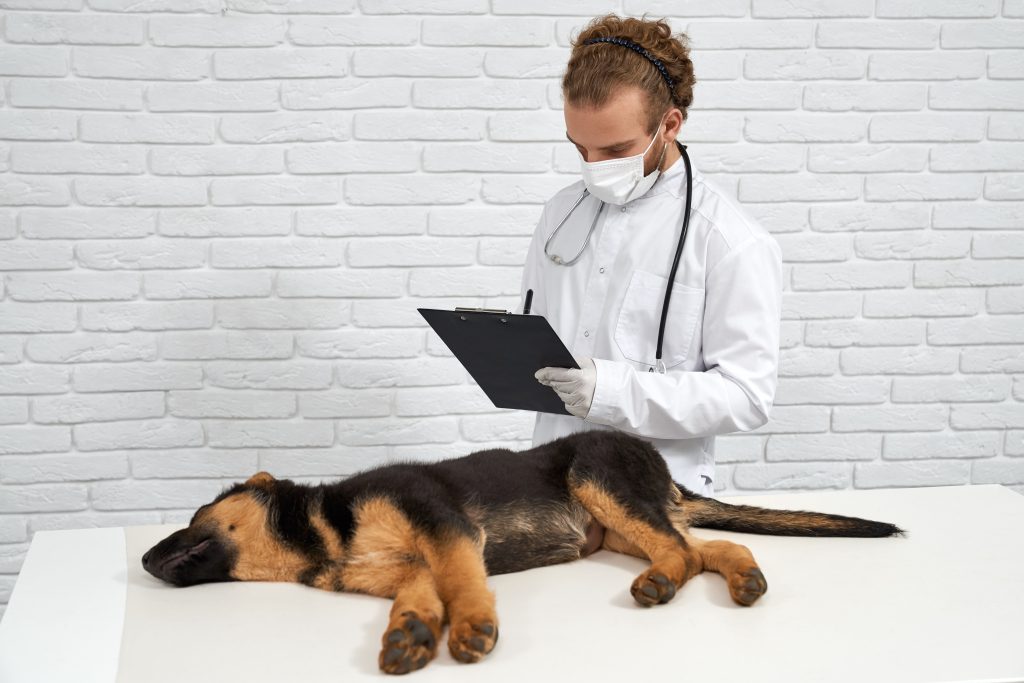
Your vet can’t diagnose a UTI just by looking at your dog, since many conditions cause the same signs. Expect some or all of these steps:
- Physical exam. Your vet will check your dog’s belly, bladder, and overall condition.
- Urinalysis. A urine sample is checked for bacteria, blood, white blood cells, crystals, and other clues.
- Urine culture. This test identifies the exact bacteria and shows which antibiotics work best. It’s especially important for repeat infections.
- Blood tests. These can reveal kidney problems, diabetes, or signs of a wider infection.
- X-rays or ultrasound. Imaging can find bladder stones, tumors, or structural problems.
Vets often collect urine using a needle directly from the bladder (cystocentesis). It sounds scary, but it’s quick and gives the cleanest sample. You can also help by taking your dog for a walk and catching a mid-stream sample in a clean container if your vet asks for one.
Treatment for Dog UTI Symptoms
Treatment depends on how severe the infection is and what caused it.
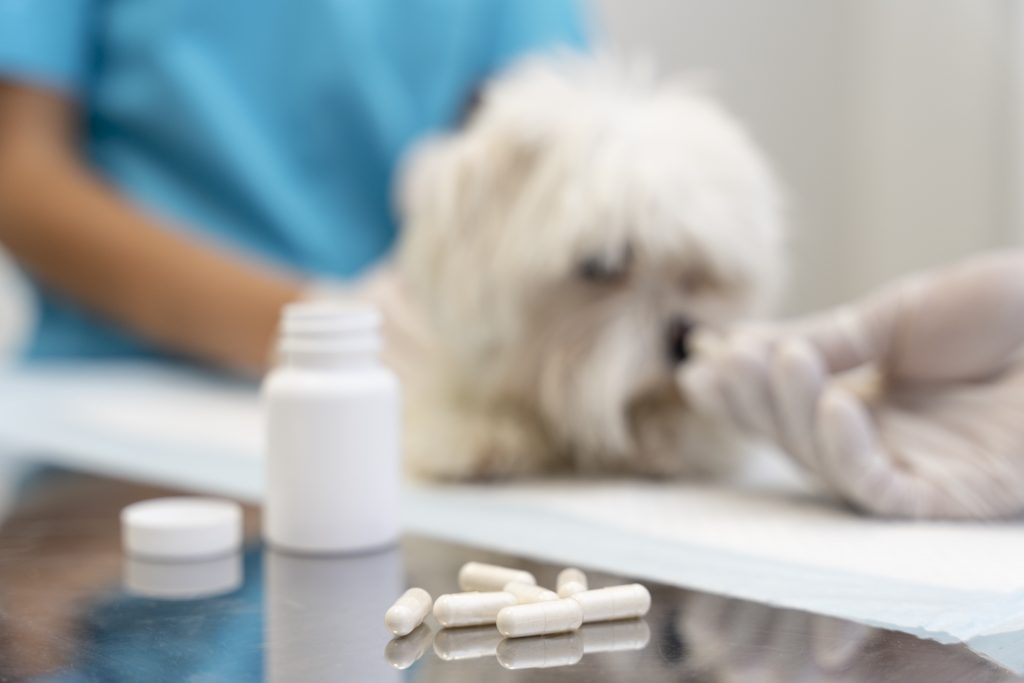
Antibiotics. These are the main treatment. Most dogs take them for one to two weeks, though complicated infections may need longer. Give every dose, even if your dog seems better after a few days. Stopping early can lead to a relapse and antibiotic resistance.
Pain relief. Your vet may prescribe medication to make your dog more comfortable while the antibiotics work.
Fluids. Dogs with kidney involvement or dehydration may need IV or under-the-skin fluids.
Treating the root cause. If bladder stones, diabetes, or another condition is behind the infection, that has to be managed too, or the UTI will likely return.
Follow-up testing. For stubborn or recurring infections, your vet may want to retest the urine after treatment to make sure the infection is gone.
Never give your dog human antibiotics or pain relievers like ibuprofen or acetaminophen. These can be toxic to dogs.
Home Care While Your Dog Recovers
Home care supports treatment but never replaces it. Once your vet has started your dog on medication, these steps can help:
- Encourage water. Fresh water at all times helps flush the bladder. Adding water to meals or offering low-sodium broth can help picky drinkers.
- Offer frequent potty breaks. Let your dog go out every few hours so urine doesn’t sit in the bladder.
- Keep the area clean. Gently wipe the genital area with a damp cloth or dog-safe wipe.
- Provide comfort. A warm, quiet resting spot helps a sore dog relax.
- Ask about diet. Some dogs benefit from a urinary support food, especially if they’re prone to stones.
You may see cranberry supplements marketed for dogs. The evidence is limited, so ask your vet before using them, and don’t rely on them to treat an active infection.
How to Prevent Dog UTI Symptoms
You can’t prevent every infection, but you can lower the odds:
- Give regular potty breaks. Adult dogs generally shouldn’t wait more than six to eight hours.
- Keep water available. Good hydration keeps urine diluted and moving.
- Practice good hygiene. Keep the fur around the genitals trimmed and clean, especially in long-haired breeds.
- Wipe front to back after bathroom trips for females that get messy.
- Manage weight. Extra weight can create skin folds that trap moisture and bacteria.
- Feed a quality diet and follow your vet’s advice on urinary health.
- Schedule regular check-ups, especially for senior dogs or those with diabetes or Cushing’s disease.
- Catch problems early. The sooner you act on dog UTI symptoms, the less likely they are to become serious.
Frequently Asked Questions
Can a dog UTI go away on its own?
It’s unlikely. Most UTIs need antibiotics, and waiting can let the infection spread to the kidneys.
What are the first signs of a UTI in a dog?
Early dog UTI symptoms are often more frequent urination, straining, small accidents indoors, and licking around the genitals.
How long does it take for a dog to recover from a UTI?
Many dogs improve within a few days of starting antibiotics, but the full course usually takes one to two weeks. Always finish the medication.
Can I treat my dog’s UTI at home?
Home care can support recovery, but you still need a vet diagnosis and prescription. Home remedies alone won’t clear a bacterial infection.
Is a dog UTI contagious?
No. UTIs aren’t passed from dog to dog or from dogs to people in the usual way.
Why does my dog keep getting UTIs?
Repeat infections usually point to an underlying problem like bladder stones, diabetes, hormone issues, or anatomy. Ask your vet about a urine culture and further testing.
Can dog UTI symptoms be mistaken for something else?
Yes. Bladder stones, prostate problems, kidney disease, tumors, and incontinence can look similar, which is why a proper exam matters.
Final Thoughts
Dog UTI symptoms like frequent urination, straining, bloody urine, and sudden accidents are your dog’s way of asking for help. The good news is that most UTIs respond well to treatment when they’re caught early. The bad news is that ignoring the signs can lead to kidney trouble and a much sicker pup.