TPLO Surgery Dog: Cost, Recovery & What to Expect
TPLO surgery dog owners often hear about this procedure at a really stressful moment. Your dog suddenly starts limping, refuses to put weight on a back leg, and the vet says the words “torn cruciate ligament.” Then comes the surgery recommendation, the price tag, and a long list of questions.
Take a breath. TPLO is one of the most common and best-studied orthopedic surgeries for dogs, and most dogs do very well afterward. This guide covers what the surgery is, what it costs, how recovery works, and what risks to watch for, so you can make a confident decision for your pup.
What Is TPLO Surgery in Dogs?
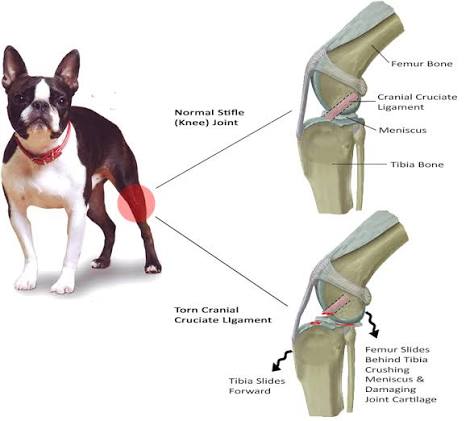
TPLO stands for tibial plateau leveling osteotomy. It’s a surgery used to treat a torn or ruptured cranial cruciate ligament (CCL) in the knee, which is the dog version of the ACL in people.
Here’s the basic idea. In a healthy dog knee, the cruciate ligament keeps the shinbone (tibia) from sliding forward when your dog puts weight on the leg. When that ligament tears, the joint becomes unstable. Instead of trying to rebuild the ligament, a TPLO surgery dog procedure changes the geometry of the knee so the ligament isn’t needed for stability.
The surgeon makes a curved cut in the top of the tibia, rotates the top portion to level the slope of the joint surface, and secures it with a metal plate and screws. Once the bone heals, the knee is stable and your dog can walk, run, and play again.
Why Do Dogs Need TPLO Surgery?
A cruciate tear is one of the top causes of hind-leg lameness in dogs. Unlike in people, it usually isn’t caused by one dramatic injury. Most dogs suffer slow, gradual ligament degeneration over time, and then a normal activity like jumping off the couch or chasing a ball finishes the job.
Risk factors include:
- Being overweight
- Large or giant breeds, like Labradors, Rottweilers, Golden Retrievers, and Newfoundlands
- Steep tibial slope in the knee
- Age, with middle-aged dogs being common patients
- Lack of regular exercise followed by intense activity (the “weekend warrior” problem)
- Being spayed or neutered early, which some studies link to higher risk in certain breeds
Signs your dog might need a TPLO surgery dog evaluation include limping, sitting with one leg stuck out to the side, stiffness after rest, swelling around the knee, and reluctance to jump or use stairs.
Is TPLO the Best Option?
Vets often recommend TPLO for medium and large dogs, and especially for active, athletic dogs. Research and surgeon experience suggest it offers a strong return to function. That said, it isn’t the only choice.
Other options include:
- Lateral suture (extracapsular repair). A strong suture outside the joint mimics the ligament. It’s often used for smaller dogs and costs less.
- TTA (tibial tuberosity advancement). Another bone-cutting procedure that changes knee mechanics.
- Conservative management. Rest, weight loss, physical therapy, and sometimes a knee brace. This may be considered for very small dogs or dogs who can’t safely have surgery, though results are less predictable in larger dogs.
Your vet or a board-certified veterinary surgeon can explain which option best matches your dog’s size, age, activity level, and health.
TPLO Surgery Dog Cost
Cost is the big question for most owners. In the United States, TPLO surgery dog pricing typically ranges from about $3,500 to $7,000 per knee. Some general practice clinics in lower-cost areas quote closer to $2,500 to $4,000, while specialty hospitals in big cities can go above $7,000 or even $8,000.
The price usually depends on:
- Your location. Costs are higher in major metro areas.
- Who performs the surgery. A board-certified surgeon typically charges more than a general practitioner.
- Your dog’s size. Larger dogs need bigger implants and more time.
- What’s included. Some quotes bundle everything, while others list items separately.
- Pre-surgery diagnostics. X-rays, bloodwork, and exams may be extra.
A typical TPLO surgery dog estimate may include the exam, anesthesia, the surgery itself, the implants, hospital stay, pain medication, and follow-up X-rays. Always ask for an itemized estimate so you know exactly what’s covered, and ask whether rechecks and physical therapy are included.
Ways to Manage the Cost
If the price feels overwhelming, you have options:
- Pet insurance. Many plans cover cruciate surgery, but pre-existing condition rules apply, so coverage must be in place before the injury.
- Payment plans. CareCredit and Scratchpay are commonly accepted at veterinary clinics.
- Veterinary schools. Teaching hospitals sometimes offer lower prices.
- Nonprofits and assistance funds. Some organizations help with vet bills for qualifying families.
- Second opinions. Getting more than one quote is perfectly reasonable.
What Happens on Surgery Day?
Knowing the process can ease your nerves. For a typical TPLO surgery dog procedure, you can expect this:
- Pre-surgical exam and bloodwork. Your vet checks that your dog is healthy enough for anesthesia.
- Drop-off. Your dog will need to fast the night before, following your vet’s specific instructions.
- Anesthesia and surgery. Your dog is fully asleep and monitored. The surgeon may first look inside the joint to check the meniscus, the cushion in the knee, which is often damaged along with the ligament.
- Implant placement. The bone is cut, rotated, and secured with a plate and screws.
- X-rays. Images confirm the plate is placed correctly.
- Hospital stay. Most dogs stay one or two nights, and many go home the next day.
TPLO Surgery Dog Recovery Timeline
Recovery is where owners do the most important work. Surgery gives your dog a stable knee, but a slow, careful recovery protects the repair while the bone heals. Most vets follow a timeline like the one below, though yours may be adjusted.
Week 1–2: Strict Rest
Your dog will likely wear a cone (e-collar) to stop licking the incision. Expect some swelling and bruising, which is normal. Most dogs start toe-touching within a few days and put weight on the leg within a week or two.
During this stage:
- Keep your dog in a crate or small, non-slip room.
- Allow only short leash trips outside to pee and poop.
- Apply cold packs to the incision for the first few days if your vet recommends it.
- Give all pain medication and antibiotics exactly as prescribed.
- Check the incision daily for redness, swelling, or discharge.
Weeks 3–8: Slow, Controlled Walks
Once your vet gives the okay, you can begin short leash walks, usually starting at around five minutes, two to three times a day, and gradually increasing. Physical therapy exercises may begin during this window.
No running, jumping, stairs, or off-leash time. This is the stage where many owners feel tempted to relax because their dog looks great. Don’t. The bone is still healing, and one wild sprint can wreck the repair.
Weeks 8–12: Recheck and Progress
Around eight weeks, your vet usually takes follow-up X-rays to check bone healing. If everything looks good, your dog can slowly increase activity and walk longer distances. Off-leash time is still limited.
Months 3–6: Return to Normal
Most dogs are back to regular activity somewhere between three and six months after a TPLO surgery dog procedure. Highly active or sporting dogs may need a bit longer, with a gradual return to running and play.
Tips for a Smooth TPLO Surgery Dog Recovery
Small habits can make a big difference:
- Prep your home before surgery. Put down rugs or yoga mats on slick floors, block off stairs, and set up a comfortable rest area.
- Use a sling or harness. A rear-support harness helps with balance while your dog goes outside.
- Keep the incision dry. No baths or swimming until your vet clears it.
- Provide mental stimulation. Puzzle toys, lick mats, and gentle training keep bored dogs from climbing the walls.
- Control weight. Extra pounds put stress on the healing leg and the opposite knee.
- Consider rehab. Physical therapy and hydrotherapy can help rebuild muscle and speed up recovery.
- Stick with the recheck schedule. Follow-up visits catch problems early.
Risks and Complications
Most dogs have great results, but every surgery carries some risk. Complications after a TPLO surgery dog procedure can include:
- Infection. This can occur at the incision or around the implant. Signs include heat, swelling, drainage, or a sudden increase in pain.
- Swelling and bruising. Common and usually mild, but it should improve with time.
- Implant problems. Screws or plates may loosen, though this is uncommon.
- Tibial fracture. Rare, but more likely if the dog is too active too soon.
- Meniscal tear. A “late” meniscal injury can develop after surgery, causing new limping.
- Anesthesia risks. These are low in healthy dogs, but they exist.
Overall, studies suggest that the majority of dogs return to good or excellent function. Complication rates are relatively low, especially with an experienced surgeon and careful aftercare.
Will My Dog Tear the Other Knee?
This is a hard truth many owners should hear up front. A large share of dogs who tear one cruciate ligament eventually tear the other, with estimates commonly ranging from about 30% to 60%. The second tear often happens within a year or two of the first.
You can lower the risk by keeping your dog lean, building muscle through safe exercise, and avoiding sudden, intense activity. Ask your vet about the best long-term plan.
When to Call Your Vet After Surgery
Contact your vet promptly if you notice:
- Excessive swelling, redness, or pus at the incision
- Fever or a foul odor
- Refusal to eat or drink
- Vomiting or diarrhea that doesn’t improve
- Sudden worsening lameness
- Not putting any weight on the leg after the first couple of weeks
- The incision opening up
It’s always better to call early than to wait.
Frequently Asked Questions
How much does TPLO surgery dog owners pay on average?
Most owners in the U.S. pay between $3,500 and $7,000 per knee, depending on location, surgeon, and dog size.
How long is recovery after TPLO?
Expect about eight to twelve weeks of restricted activity, with a full return to normal life in roughly three to six months.
How successful is TPLO surgery?
Success rates are high. Most dogs regain excellent use of the leg and return to an active lifestyle.
Is TPLO surgery painful for dogs?
Your dog will have some pain, but vets use a combination of medications and often nerve blocks to keep dogs comfortable.
Can a dog walk after TPLO?
Yes, many dogs begin touching the toes to the ground within days and bear weight within one or two weeks.
Are there alternatives to a TPLO surgery dog procedure?
Yes. Options include lateral suture repair, TTA, and non-surgical management, though the best choice depends on your dog’s size and lifestyle.
Can my dog have TPLO at an older age?
Age alone isn’t a barrier. Healthy senior dogs can have TPLO, but your vet will review overall health first.
Final Thoughts
A TPLO surgery dog decision can feel overwhelming, but you don’t have to go through it alone. The surgery is well established, the success rate is high, and the recovery, while slow, is very manageable when you follow the plan. Know the costs, prepare your home, and stay patient during those long rest weeks