Benadryl for Dogs: Safe Dosage, Uses & Side Effects
If your dog is scratching nonstop or has a swollen face after a bug bite, you may wonder if the pink pills in your medicine cabinet can help. Benadryl for dogs is one of the most common over-the-counter options vets talk about. Used the right way, it can bring quick relief from mild allergic reactions. Used the wrong way, it can cause serious problems. This guide explains what Benadryl is, when it helps, how much to give, and what dangers to watch for.
Important: This article is for general information only. Always talk to your veterinarian before giving your dog any medication.
What Is Benadryl?
Benadryl is a brand name for diphenhydramine, a first-generation antihistamine. It blocks histamine, the chemical your dog’s body releases during an allergic reaction. Histamine causes itching, swelling, sneezing, and watery eyes.
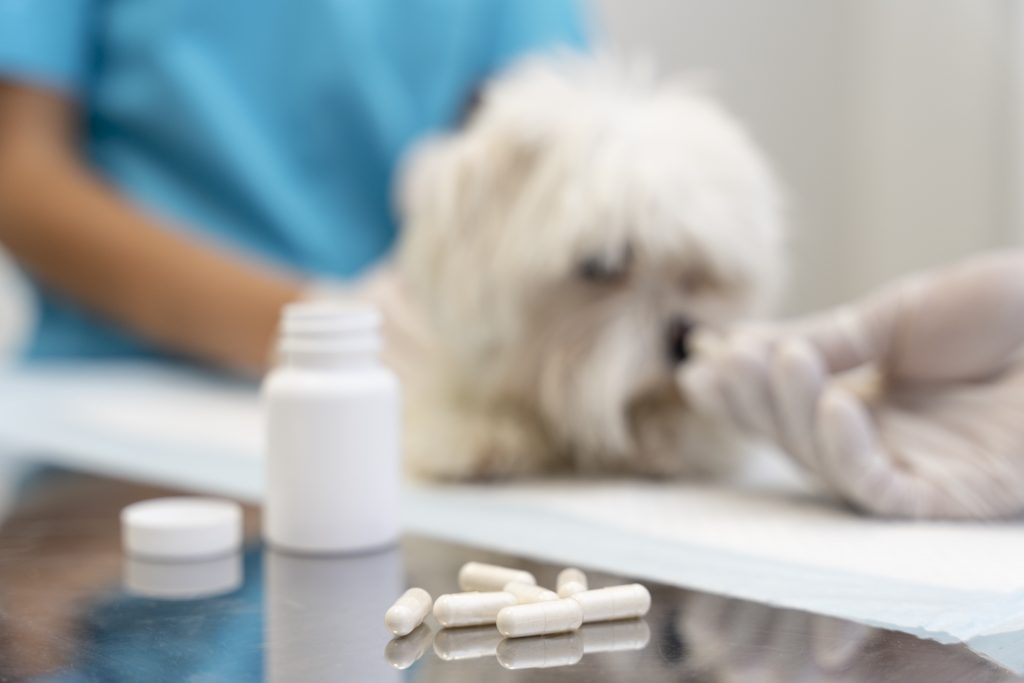
Many vets approve Benadryl for dogs in certain situations, even though the FDA has not officially approved it for pets. This is called “off-label” use. It is common and generally considered safe for healthy dogs when the dose is correct.
Is Benadryl Safe for Dogs?
For most healthy adult dogs, a correct dose of plain diphenhydramine is safe. But “safe” depends on several things:
- Your dog’s weight and age
- Your dog’s overall health
- Other medications your dog takes
- The exact Benadryl product you buy
The biggest risk is choosing the wrong product. Some Benadryl products contain extra ingredients that can be dangerous for pets. Always read the label carefully.
What to Look for on the Label
Only give your dog products that list diphenhydramine HCl as the only active ingredient. Avoid these:
- Benadryl-D or allergy-plus-sinus products. They contain decongestants like pseudoephedrine or phenylephrine, which are toxic to dogs.
- Products with acetaminophen (Tylenol). This is very dangerous for dogs.
- Liquid formulas with xylitol. This sweetener can cause a deadly drop in blood sugar and liver failure in dogs.
- Liquid formulas with alcohol. Some liquid versions contain it, so check the ingredients.
If you need a liquid option, ask your vet about a pet-safe version. Children’s liquid Benadryl is sometimes used for small dogs, but only if it is free of xylitol and alcohol.
Common Uses of Benadryl for Dogs
Vets may recommend Benadryl for dogs in these cases:
- Seasonal allergies. Pollen, grass, and dust can cause itching and sneezing.
- Insect bites and stings. It can reduce swelling and discomfort from bees, wasps, and mosquitoes.
- Food allergies. It may ease mild itching or hives while you work with your vet on a long-term plan.
- Mild allergic reactions. Hives, facial puffiness, and redness can improve with an antihistamine.
- Vaccine reactions. Vets sometimes suggest it before or after shots for dogs with a history of mild reactions.
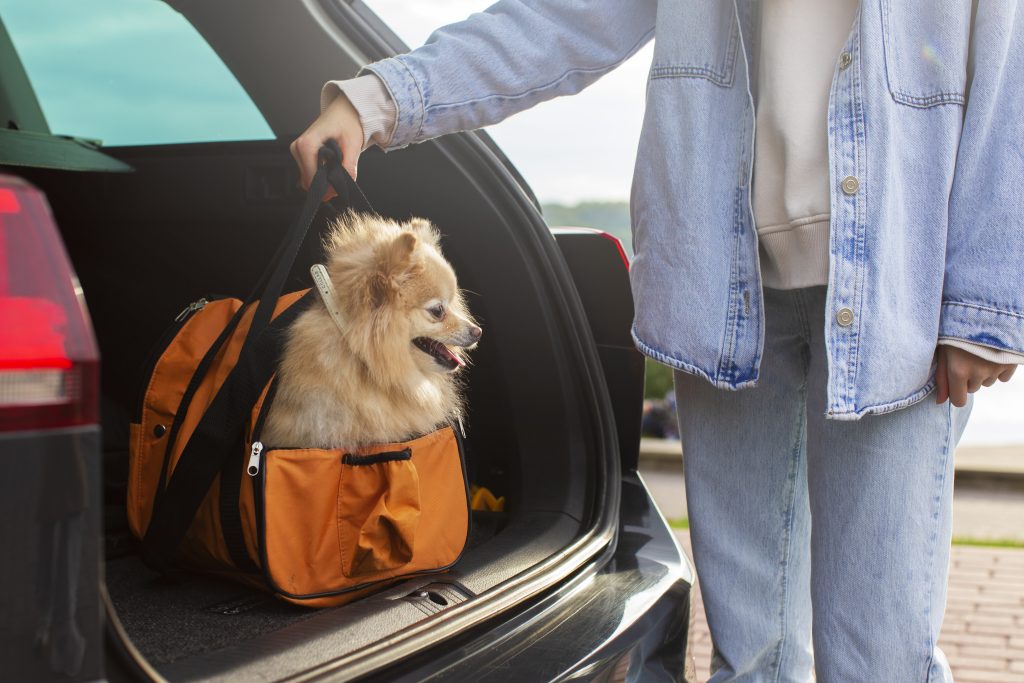
- Motion sickness. Benadryl may help some dogs with nausea during car rides.
- Mild anxiety. The drowsy effect can calm some dogs, though it does not work for every pup and is not a true anxiety treatment.
When Benadryl Is NOT Enough
Benadryl is not a cure-all. Call an emergency vet right away if your dog shows signs of a severe allergic reaction, also called anaphylaxis:
- Trouble breathing or wheezing
- Swollen muzzle, tongue, or throat
- Pale or blue gums
- Vomiting or diarrhea that starts suddenly
- Collapse or extreme weakness
In these cases, Benadryl will not be enough. Your dog needs emergency care. You can ask the vet whether to give a dose on the way, but never delay the trip.
Benadryl for Dogs Dosage
The standard dose vets use is 1 milligram (mg) of diphenhydramine per pound of body weight, given 2 to 3 times a day (every 8 to 12 hours). Most Benadryl tablets contain 25 mg, which suits a dog around 25 pounds.
Here is a general reference chart for plain 25 mg tablets:
| Dog Weight | Approximate Dose | Tablets (25 mg) |
|---|---|---|
| 10 lbs | 10 mg | 2/5 tablet (ask your vet) |
| 25 lbs | 25 mg | 1 tablet |
| 50 lbs | 50 mg | 2 tablets |
| 75 lbs | 75 mg | 3 tablets |
| 100 lbs | 100 mg | 4 tablets |
Keep these points in mind:
- Small dogs often need a fraction of a tablet, and splitting pills accurately is tricky. Ask your vet about liquid or a smaller-strength option.
- Do not give extended-release capsules. They are not designed for dogs.
- Do not give more than your vet recommends, even if your dog seems to be in a lot of discomfort.
- Puppies, senior dogs, and dogs with health problems may need an adjusted dose.
This chart is a general guide, not a prescription. Your vet knows your dog’s history and can give you the exact amount.
How Long Does It Take to Work?
Benadryl for dogs usually starts working within 30 minutes. The effects typically last 8 hours, though this varies from dog to dog. If you see no improvement after an hour or two, don’t give extra. Call your vet instead.
Side Effects of Benadryl for Dogs
Most dogs handle Benadryl well, but side effects can happen. The most common ones include:
- Drowsiness. This is the most frequent side effect.
- Dry mouth. You may notice your dog drinking more water.
- Urinary retention. Your dog may have trouble peeing.
- Constipation or diarrhea.
- Vomiting or loss of appetite.
- Rapid heart rate.
Some dogs have the opposite reaction. Instead of getting sleepy, they become hyper, restless, or agitated. If that happens, stop giving Benadryl and tell your vet.
Signs of a Benadryl Overdose
Too much Benadryl can be very dangerous, especially for small dogs. Watch for these warning signs:
- Dilated pupils
- Very fast heartbeat
- Agitation or pacing
- Tremors or seizures
- Fever or overheating
- Difficulty breathing
- Collapse
If you think your dog took too much, call your vet or an emergency clinic right away. You can also contact the ASPCA Animal Poison Control Center at (888) 426-4435 or the Pet Poison Helpline at (855) 764-7661. A consultation fee may apply.
Dogs That Should Not Take Benadryl
Benadryl for dogs is not right for every pup. Talk to your vet first if your dog has any of these conditions:
- Glaucoma
- Heart disease or high blood pressure
- Seizure disorders
- Hyperthyroidism
- Enlarged prostate or trouble urinating
- Lung conditions like asthma
- Pregnancy or nursing
Also tell your vet about any other medications or supplements your dog takes. Benadryl can interact with sedatives, some antidepressants, and other drugs.
Safer Alternatives to Consider
Depending on your dog’s problem, your vet may suggest something other than Benadryl:
- Apoquel (oclacitinib). A prescription medication for allergic itching that works fast.
- Cytopoint. An injection that can control itch for four to eight weeks.
- Medicated shampoos and sprays. These soothe irritated skin.
- Omega-3 fatty acids. Fish oil can support skin health.
- Flea prevention. Flea allergy is one of the top causes of itching in dogs.
- Prescription diets. These can help when food allergies are the cause.
Benadryl often treats the symptom, not the cause. If your dog needs it often, it’s time to find the root problem with your vet.
Tips for Giving Benadryl to Your Dog
- Wrap the tablet in a small piece of cheese or peanut butter. Make sure the peanut butter has no xylitol.
- Give the dose with a small meal if your dog gets an upset stomach.
- Write down the time and amount so you don’t double up.
- Store all medication out of reach of pets and kids.
- Watch your dog closely for the first few hours.
Frequently Asked Questions
Can I give my dog human Benadryl?
Yes, plain diphenhydramine tablets meant for people are commonly used, as long as your vet approves the dose and the product has no harmful extras.
How much Benadryl can I give a 20-pound dog?
The standard guideline is about 1 mg per pound, so roughly 20 mg. Because tablets come in 25 mg, ask your vet how to dose this accurately.
Can Benadryl help a dog with a bee sting?
It may ease mild swelling and itching. If your dog has facial swelling or trouble breathing, go to an emergency vet immediately.
Can I give Benadryl to my puppy?
Only under your vet’s direction. Puppies are more sensitive to medication, so never guess on the dose.
Can Benadryl calm my dog during fireworks or travel?
It may make some dogs sleepy, but it doesn’t treat fear. Talk to your vet about better options for anxiety.
Final Thoughts
Benadryl for dogs can be a helpful tool for mild allergies, insect bites, and motion sickness when you use the right product and the right dose. The key points are simple: use plain diphenhydramine only, follow your vet’s dosing advice, watch for side effects, and know when to head to the emergency clinic. When in doubt, call your vet first. A quick phone call can keep your best friend safe and comfortable.