Kidney Failure in Dogs: Symptoms, Causes & Treatment
Kidney failure in dogs is one of the most serious health problems a pet owner can face, but catching it early can make a big difference. Your dog’s kidneys filter waste from the blood, balance fluids, and help control blood pressure. When they stop working properly, toxins build up fast. In this guide, you’ll learn the symptoms, causes, and treatment options for kidney failure in dogs, plus how to protect your pup and when to call your vet.
What Is Kidney Failure in Dogs?
Kidney failure in dogs, also called renal failure, happens when the kidneys can no longer remove waste or keep fluids and minerals in balance. Veterinarians usually divide it into two types:
- Acute kidney injury (AKI): Happens suddenly, often because of a toxin, infection, or severe dehydration. If treated quickly, some dogs can recover.
- Chronic kidney disease (CKD): Develops slowly over months or years and is more common in senior dogs. It can’t be cured, but it can often be managed for a long time.
Both types of kidney failure in dogs are serious, and both need prompt veterinary care.
Symptoms of Kidney Failure in Dogs
The symptoms of kidney failure in dogs are easy to miss at first, because dogs often hide discomfort. By the time signs are obvious, a large portion of kidney function may already be gone.
Early signs to watch for:
- Drinking much more water than usual
- Urinating more often, or having accidents in the house
- Reduced appetite
- Mild weight loss
- Dull coat and low energy
Advanced signs:
- Vomiting and diarrhea
- Bad breath that smells like ammonia
- Mouth ulcers
- Pale gums
- Extreme tiredness or weakness
- Blood in the urine, or very little urine
- Seizures or collapse in severe cases
If your dog shows any of these signs, call your veterinarian right away. Don’t wait to see if it passes.
Causes of Kidney Failure in Dogs
The causes of kidney failure in dogs vary depending on whether the problem is sudden or gradual. Common causes include:
- Toxins and poisons: Antifreeze (ethylene glycol), grapes, raisins, and certain household chemicals can damage the kidneys quickly.
- Human medications: Pain relievers like ibuprofen and naproxen are dangerous for dogs and can injure the kidneys.
- Infections: Bacterial infections such as leptospirosis and kidney infections can cause serious damage.
- Dehydration and heatstroke: Low blood flow to the kidneys can lead to sudden injury.
- Urinary blockages: Stones or other obstructions can back up urine and harm the kidneys.
- Aging: Kidneys wear down over time, which is why chronic kidney disease is most common in older dogs.
- Genetics: Some dogs inherit kidney problems.
- Dental disease: Severe bacteria buildup in the mouth may contribute to long-term kidney damage.
If you think your dog has swallowed something toxic, call your vet, an emergency animal hospital, or the ASPCA Animal Poison Control Center immediately.
Which Dogs Are at Higher Risk?
Any dog can develop kidney problems, but the risk of kidney failure in dogs is higher for:
- Senior dogs, especially those over 7 years old
- Certain breeds, including Bull Terriers, German Shepherds, Cocker Spaniels, Samoyeds, and Shar-Peis
- Dogs with a history of urinary tract infections or kidney stones
- Dogs that have been exposed to toxins or taken certain medications long term
- Dogs with other health conditions, such as high blood pressure
Knowing your dog’s risk level helps you and your vet decide how often to schedule checkups and screening tests.
How Vets Diagnose Kidney Failure in Dogs
Your vet will start with a physical exam and ask about your dog’s symptoms, diet, and any possible exposure to toxins. To confirm kidney failure in dogs, they will usually recommend:
- Blood tests: These check kidney values such as BUN, creatinine, and SDMA. SDMA can often detect kidney disease earlier than older tests.
- Urinalysis: This shows how well the kidneys concentrate urine and whether there is protein, blood, or infection.
- Blood pressure check: High blood pressure is common with kidney disease and can cause more damage.
- Imaging: X-rays or an ultrasound can show the size and shape of the kidneys and rule out stones or blockages.
Vets often use the IRIS staging system to rate chronic kidney disease from Stage 1 (mild) to Stage 4 (severe). Staging helps guide treatment and gives a better idea of what to expect.
Treatment Options for Kidney Failure in Dogs
Treatment for kidney failure in dogs depends on the cause, the type, and how advanced the damage is.
Treatment for acute kidney failure
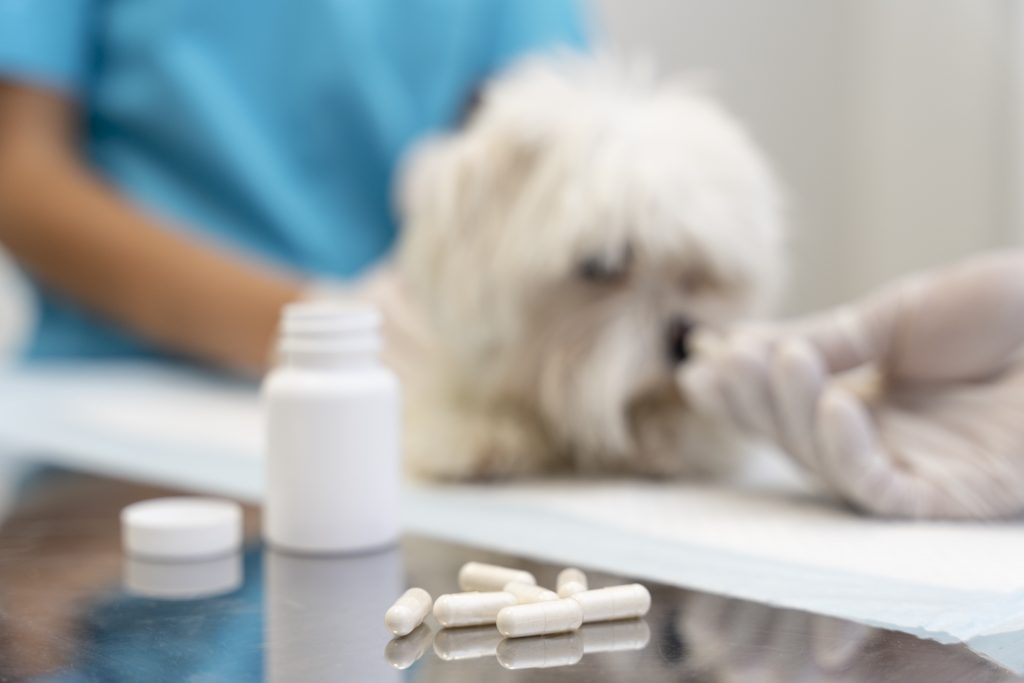
Dogs with sudden kidney injury usually need to stay at the veterinary hospital. Treatment may include:
- IV fluids to flush toxins and restore hydration
- Medications to control nausea and vomiting
- Medications to support blood pressure and urine production
- Treating the underlying cause, such as an infection or poisoning
- In rare cases, dialysis at a specialty hospital
Treatment for chronic kidney disease
Chronic kidney failure in dogs can’t be reversed, but good care can slow it down and keep your dog comfortable. Your vet may recommend:
- A prescription kidney-support diet with controlled phosphorus and protein
- Subcutaneous (under-the-skin) fluids given at home
- Medications to lower blood pressure or reduce protein loss in the urine
- Phosphate binders to protect the kidneys
- Anti-nausea drugs and appetite stimulants
- Regular rechecks of bloodwork and urine
Can Dogs Recover from Kidney Failure?
It depends. Some dogs with acute kidney failure recover fully or partly if the cause is found and treated fast. Others are left with lasting damage and need long-term management. With chronic kidney disease, there is no cure, but many dogs live comfortably for months or even years with the right care. The outlook for kidney failure in dogs depends on the stage at diagnosis, the underlying cause, and how well your dog responds to treatment. Your vet is the best person to talk with about your dog’s specific prognosis.
Home Care Tips for Dogs with Kidney Disease
Daily care at home plays a big role in your dog’s quality of life. Here are some simple ways to help:
- Always provide fresh water. Hydration is critical, so keep water bowls clean and full.
- Feed the recommended diet. Don’t switch foods or add table scraps without asking your vet.
- Make meals appealing. Warming the food slightly or trying different approved flavors can help dogs with a poor appetite.
- Give medications on schedule. Never skip doses or change them on your own.
- Watch for changes. Track your dog’s appetite, water intake, weight, and energy level.
- Keep follow-up appointments. Regular testing lets your vet adjust treatment early.
How to Prevent Kidney Failure in Dogs
You can’t prevent every case of kidney failure in dogs, but these steps lower the risk:
- Keep antifreeze, cleaning products, and other chemicals locked away
- Never feed grapes, raisins, or currants
- Never give human pain relievers unless your vet says it’s safe
- Keep your dog’s vaccinations current, including leptospirosis if recommended in your area
- Provide plenty of clean water, especially in hot weather
- Brush your dog’s teeth and schedule professional dental cleanings
- Take senior dogs for wellness exams and bloodwork at least once a year
When to See a Vet Right Away
Treat these signs as an emergency and contact your vet or the nearest emergency animal hospital:
- Repeated vomiting or diarrhea
- Not eating or drinking
- Little or no urination
- Collapse, seizures, or extreme weakness
- Known or suspected exposure to a toxin
Fast action can save your dog’s life.
Final Thoughts
Kidney failure in dogs is a serious condition, but early detection, quick treatment, and good home care can help your dog live a longer, more comfortable life. Know the warning signs, keep toxins out of reach, and schedule regular checkups, especially as your dog ages. If something seems off, trust your instincts and call your veterinarian. The sooner you act, the better the chance of protecting your dog’s kidneys.