
Can I Give My Dog Benadryl? Safety, Risks & Vet Advice
If your dog is scratching nonstop or has a swollen face after an insect bite, you have probably wondered, can I give my dog Benadryl? It is one of the most common questions dog owners ask, and the short answer is: sometimes, but only with your veterinarian’s approval. Benadryl is a human medication, and giving it the wrong way can be risky for dogs.
This guide explains when Benadryl for dogs may help, what dangers to watch for, and when you should skip the medicine and call a vet.
What Is Benadryl and How Does It Work?
Benadryl is a brand name for diphenhydramine, an antihistamine. Antihistamines block histamine, a chemical the body releases during an allergic reaction. Histamine causes itching, swelling, sneezing, and watery eyes.
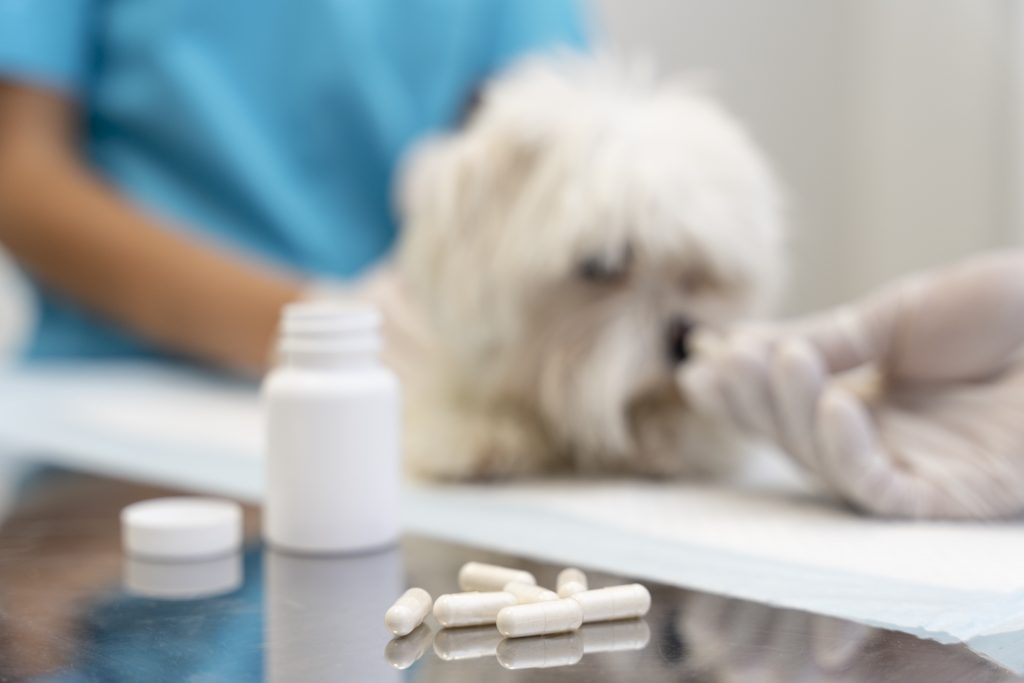
Veterinarians do sometimes recommend diphenhydramine for dogs, which is why many owners ask whether they can give their dog Benadryl at home. However, a vet recommending it for a specific dog is very different from an owner guessing at home.
Can I Give My Dog Benadryl? The Honest Answer
For many healthy dogs, vets consider diphenhydramine relatively safe when used correctly. But “safe” depends on your dog’s size, age, health conditions, other medications, and the exact product you buy.
So before you give your dog Benadryl, call your vet or an animal poison helpline. A quick phone call can prevent a serious mistake.
When Do Vets Recommend Benadryl for Dogs?
Veterinarians may suggest Benadryl for dogs in situations like these:
- Mild allergic reactions, such as itching, hives, or mild facial swelling
- Insect bites and stings, as a first step while you contact your vet
- Seasonal or environmental allergies, such as pollen or dust
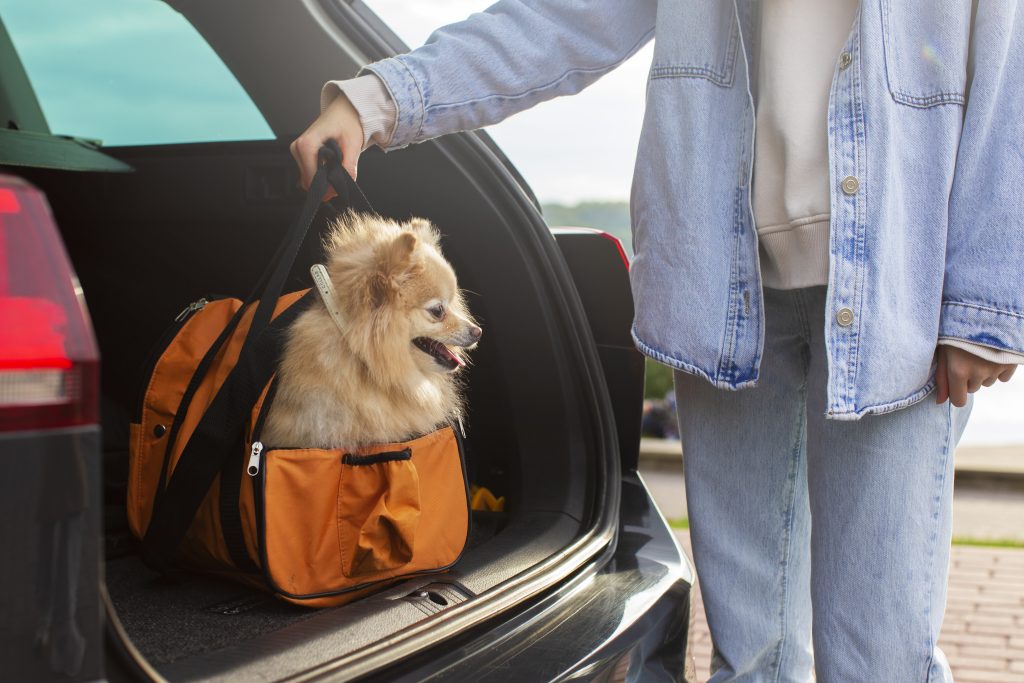
- Mild motion sickness during car rides
- Mild anxiety or travel stress, in some cases
Benadryl treats symptoms only. It does not fix the cause of the problem, so repeated itching or recurring reactions need a proper diagnosis.
Is Benadryl Safe for Dogs? Know the Risks
Even when a vet approves it, Benadryl can cause side effects. Common ones include:
- Drowsiness or sluggishness
- Dry mouth
- Reduced appetite
- Urine retention
- Upset stomach, vomiting, or diarrhea
Some dogs react the opposite way and become restless or hyperactive instead of sleepy. If this happens, stop and talk to your vet.
Dogs That Should Not Take Benadryl
Diphenhydramine may be unsafe for dogs with certain conditions. Ask your vet first if your dog has:
- Glaucoma
- Heart disease or high blood pressure
- Seizure disorders
- Hyperthyroidism
- Enlarged prostate or trouble urinating
- Pregnancy or nursing puppies
Puppies, senior dogs, and small breeds are also more sensitive, so they need extra caution.
Check the Label: Not All Benadryl Products Are Safe
This is the part many owners miss. Benadryl comes in many formulas, and some are dangerous for dogs.
- Xylitol: Some liquid and chewable products contain this sweetener, which is highly toxic to dogs. Always read the ingredient list.
- Decongestants: Products labeled “Allergy Plus Congestion” or “Benadryl-D” may include ingredients like pseudoephedrine or phenylephrine, which can be harmful to dogs.
- Pain relievers: Some multi-symptom cold and sinus products contain acetaminophen, which is toxic to dogs.
The only ingredient your vet will usually consider is plain diphenhydramine. If the label lists anything else, do not give it to your dog.
Why You Should Not Guess the Dose
You will find many dosage charts online, but a chart cannot account for your dog’s weight, age, health, or current medications. Too little may do nothing, while too much can cause serious problems.
That is why this article does not give a number. Your vet can tell you the right amount, the right product, and how often it can be given, based on your dog’s actual needs.
Signs of a Benadryl Overdose in Dogs
Call your vet or an emergency clinic right away if your dog shows any of these signs after taking Benadryl:
- Extreme agitation or restlessness
- Dilated pupils
- Very fast heartbeat
- Trouble breathing
- Tremors or seizures
- Severe vomiting
- Collapse or unresponsiveness
You can also contact the ASPCA Animal Poison Control Center at (888) 426-4435 or the Pet Poison Helpline at (855) 764-7661. Both may charge a consultation fee.
When Benadryl Is Not Enough: Go to a Vet Immediately
Some allergic reactions are emergencies. Benadryl is not a replacement for emergency care. Go to a vet right away if your dog has:
- Difficulty breathing or wheezing
- Swelling of the face, tongue, or throat that is getting worse
- Pale gums
- Repeated vomiting
- Weakness or collapse
These can be signs of anaphylaxis, which can become life-threatening within minutes.
Safer Alternatives to Benadryl for Dogs
If your dog has ongoing itching or allergies, your vet may recommend options designed specifically for dogs, such as:
- Prescription allergy medications made for dogs
- Medicated shampoos and topical treatments
- Flea and tick prevention, since flea allergy is a very common cause of itching
- Dietary changes if a food allergy is suspected
- Omega-3 supplements to support skin health
These are often more effective and safer in the long run than relying on human medicine.
How to Give Benadryl Safely (Only With Vet Approval)
If your vet does approve it, keep these points in mind:
- Use only plain diphenhydramine with no added ingredients.
- Confirm the product has no xylitol.
- Follow the exact amount and schedule your vet gives you.
- Watch your dog closely for the first few hours.
- Keep all medications out of your dog’s reach.
Frequently Asked Questions
Can I give my dog Benadryl for itching?
Possibly, if your vet approves. Benadryl for dogs may ease mild itching, but ongoing itching usually needs a diagnosis, because fleas, infections, and food allergies need different treatment.
How long does Benadryl take to work in dogs?
Effects usually begin within an hour, but your vet can tell you what to expect for your dog.
Can I give my dog Benadryl for anxiety?
Some vets suggest it for mild travel stress, but it does not work well for serious anxiety. Ask your vet about better options.
Is children’s Benadryl safe for dogs?
Not automatically. Some children’s liquid formulas contain xylitol or other additives, so always read the label and ask your vet first.
Final Thoughts
So, can I give my dog Benadryl? In some cases, yes, but only after checking with your veterinarian. The right product, the right amount, and your dog’s health history all matter. When in doubt, call your vet or a poison helpline before giving any human medication.