Dog Throwing Up Yellow Bile? Causes & When to See a Vet
Few things worry a pet owner more than seeing a dog throwing up yellow bile, especially first thing in the morning or when your dog looks otherwise fine. Sometimes it is a minor issue linked to an empty stomach. Other times it points to a problem that needs a vet.
This guide explains what yellow bile is, why a dog throws up yellow, which warning signs matter, and what you can do at home while you decide whether to call your veterinarian.
What Is Yellow Bile in Dogs?
Bile is a digestive fluid made by the liver and stored in the gallbladder. It helps break down fats in the small intestine. Normally, bile moves into the intestines and stays there.
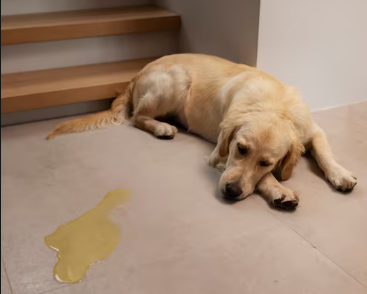
When a dog’s stomach is empty and bile flows backward into it, the stomach can become irritated. The dog may then vomit a yellow or yellow-green liquid. So when you see a dog throwing up yellow bile, it often means the stomach had no food in it at the time.
A single episode in an otherwise healthy, happy dog is usually less concerning than repeated vomiting or vomiting along with other symptoms.
Common Causes of a Dog Throwing Up Yellow Bile
There is no single answer to why a dog vomits yellow bile. Here are the most common reasons.
1. An Empty Stomach
This is the most frequent cause. If your dog goes too long between meals, stomach acid and bile can build up and irritate the stomach lining. Owners often notice a dog throwing up yellow bile early in the morning, after a long overnight gap without food.
Vets sometimes call this bilious vomiting syndrome. It is more common in dogs fed only once a day.
2. Eating Too Fast or Eating Something Unusual
Dogs that gulp food, steal scraps, or eat garbage can upset their stomach. After the food comes up, the dog may keep retching and bring up yellow bile afterward.
3. Eating Grass
Many dogs eat grass and then vomit. The vomit may be mostly grass with some yellow liquid. Occasional grass eating is common, but frequent grass eating followed by vomiting is worth mentioning to your vet.
4. Gastritis (Stomach Inflammation)
Gastritis happens when the stomach lining becomes inflamed, often because of spoiled food, a sudden diet change, or something the dog should not have eaten. Dogs with gastritis may vomit yellow bile, drool, lose their appetite, or seem tired.
5. Pancreatitis
Pancreatitis is inflammation of the pancreas, often triggered by fatty foods. A dog with pancreatitis may vomit repeatedly, seem hunched or painful in the belly, and refuse food. This condition can be serious and needs veterinary care.
6. Intestinal Blockage
If a dog swallows a toy, bone, sock, or other object, it can block the digestive tract. Repeated vomiting, a painful belly, and no interest in food are red flags. A blockage is an emergency.
7. Liver, Gallbladder, or Kidney Disease
Because bile is connected to the liver and gallbladder, repeated yellow vomiting can sometimes signal a problem with these organs. Kidney disease and other illnesses can also cause nausea and vomiting. Other signs may include weight loss, increased thirst, yellowing of the gums or eyes, and low energy.
8. Parasites and Infections
Intestinal worms, viral infections, and bacterial infections can all cause vomiting. Puppies and unvaccinated dogs are at higher risk.
9. Toxins and Medications
Some plants, household chemicals, foods (such as chocolate, grapes, and xylitol), and medications can make a dog vomit. If you think your dog swallowed something harmful, contact a vet or poison helpline immediately instead of waiting.
10. Stress and Anxiety
Travel, boarding, loud noises, or changes at home can upset a dog’s digestion. Stress alone can cause a dog throwing up yellow bile in some cases, though other causes should be ruled out first.
Yellow Bile vs. Yellow Foam: Is There a Difference?
Owners often search for “dog vomiting yellow foam” too. Yellow foam is usually a mix of saliva, stomach fluid, and a small amount of bile. The causes are similar: an empty stomach, nausea, or stomach irritation.
The color and texture can offer clues, but they cannot diagnose the problem on their own. Pay attention to how often it happens and how your dog behaves.
- Yellow or yellow-green liquid: Often bile from an empty stomach.
- White foam: Often stomach fluid or saliva, and sometimes linked to nausea or reflux.
- Brown or dark, like coffee grounds: Can mean old blood. See a vet right away.
- Red streaks or bright red: Fresh blood. See a vet right away.
- Chunks of food or objects: Eating too fast, dietary upset, or possible blockage.
Why Is My Dog Throwing Up Yellow Bile in the Morning?
A dog throwing up yellow bile in the morning is very common. Overnight, the stomach empties, and bile can irritate the lining by dawn. This is especially likely if your dog’s last meal was early in the evening.
Vets often suggest changing the feeding schedule, such as splitting daily food into smaller meals or offering a small snack before bedtime. Ask your vet what suits your dog’s age, size, and health. If the morning vomiting continues even after a schedule change, a checkup is a good idea.
When to See a Vet for a Dog Throwing Up Yellow Bile
Do not wait if you see any of these signs along with the vomiting:
- Vomiting that happens more than once or twice, or continues for more than a day
- Blood in the vomit, or vomit that looks like coffee grounds
- Extreme tiredness or weakness
- A swollen, hard, or painful belly
- Repeated retching with nothing coming up
- Refusing food and water
- Diarrhea along with vomiting
- Pale, yellow, or dry gums
- Signs of dehydration, such as dry gums or loss of skin elasticity
- Known or possible swallowing of a toy,chicken bone, toxin, or medication
Puppies, senior dogs, small breeds, and dogs with existing health problems can get dehydrated quickly, so they should see a vet sooner. Repeated retching with nothing coming up can be a sign of bloat in large, deep-chested dogs, which is a life-threatening emergency.
What Will the Vet Do?
To find out why your dog is throwing up yellow bile, the vet may:
- Ask about diet, feeding times, recent changes, and anything your dog may have eaten
- Examine your dog, including the belly and gums
- Run blood tests to check the liver, kidneys, and pancreas
- Test a stool sample for parasites
- Take X-rays or an ultrasound to look for blockages or organ problems
- Recommend anti-nausea medication, fluids, or a special diet depending on the cause
Treatment depends on the cause, which is why guessing at home is risky.
What You Can Do at Home
If your dog vomited yellow bile once, seems bright and alert, and has no other warning signs, your vet may suggest watching closely at home. Always check with your vet first, especially for puppies, small dogs, seniors, or dogs with health conditions.
- Keep water available. Offer small amounts so your dog does not gulp and vomit again.
- Follow your vet’s advice on food. Some vets recommend a short food break for healthy adult dogs, then a small bland meal. Do not withhold food from puppies, very small dogs, or dogs with conditions like diabetes unless your vet says so.
- Avoid human medications. Never give anti-nausea or stomach medicine meant for people without asking your vet, since some are dangerous for dogs.
- Keep notes. Write down when the vomiting happened, what it looked like, and what your dog ate. This helps your vet.
- Watch for changes. If your dog gets worse or the vomiting returns, call your vet.
How to Prevent Yellow Bile Vomiting in Dogs
You cannot prevent every case, but these habits help reduce the chance of a dog throwing up yellow bile:
- Feed on a steady schedule. Avoid long gaps between meals, and ask your vet about smaller, more frequent meals.
- Slow down fast eaters. A slow-feeder bowl can help.
- Change diets gradually. Mix the new food with the old over several days.
- Avoid table scraps and fatty foods. These can trigger stomach upset and pancreatitis.
- Keep hazards out of reach. Store trash, toys, medications, and chemicals safely.
- Stay current on deworming and vaccines. Follow your vet’s schedule.
- Schedule regular checkups. Early detection helps with liver, kidney, and digestive problems.
Final Thoughts
Seeing your dog throwing up yellow bile can be alarming, but it is often linked to an empty stomach and can be managed with a better feeding routine. Still, it can also signal problems such as gastritis, pancreatitis, blockages, or organ disease. Watch how often it happens and how your dog behaves, and call your vet whenever you notice warning signs. When in doubt, a quick call is always the safer choice.