Best Dog Breeds for Apartments: 15 Top Picks for Small Spaces
Living in an apartment does not mean you have to give up your dream of owning a dog. Plenty of dogs are happy in a flat, as long as they get enough exercise, attention, and training. The trick is choosing the right breed. This guide covers the best dog breeds for apartments, plus what to look for before you bring one home.
What Makes a Dog Good for Apartment Living?
Size matters, but it is not the only factor. Some large dogs are calm indoors, while some tiny dogs bark all day. When choosing among the best dog breeds for apartments, look at these traits:
- Noise level: Thin walls and close neighbors mean a quiet dog is a big advantage.
- Energy level: Dogs with moderate or low energy settle more easily in small spaces.
- Trainability: Dogs that learn quickly adapt to house rules, elevators, and stairs.
- Tolerance for being alone: If you work outside the home, this matters a lot.
- Grooming needs: Shedding is more noticeable in a small home.
- Friendliness: Shared hallways and lifts mean you will meet people and other pets often.
15 Best Dog Breeds for Apartments
1. French Bulldog
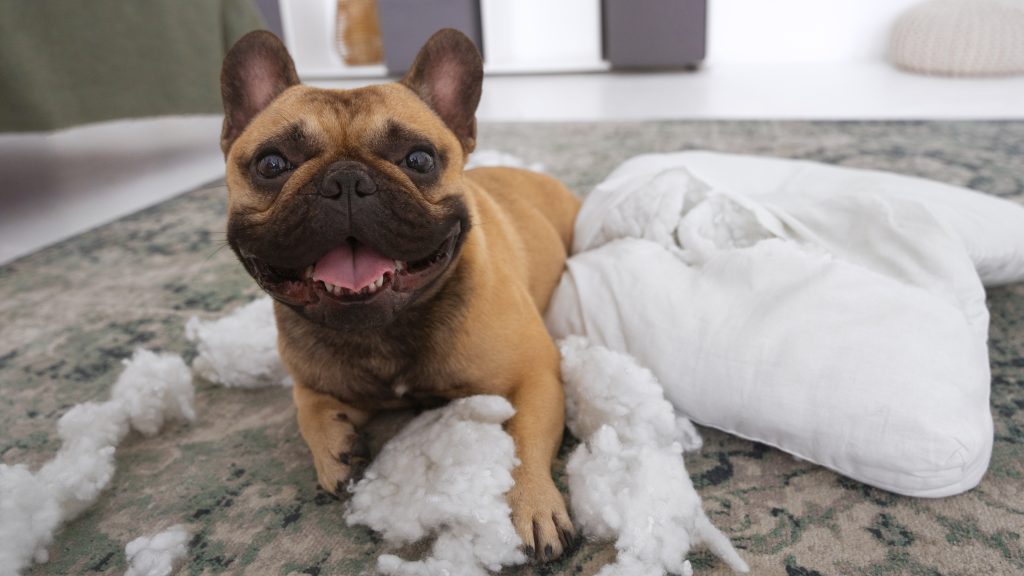
Frenchies are small, affectionate, and not big barkers, which is why they top many lists of dog breeds for apartments. They need only moderate exercise. Because of their flat faces, they struggle in heat and should not be over-exercised.
2. Cavalier King Charles Spaniel
Gentle and people-loving, Cavaliers adapt well to small homes. They enjoy short walks and lots of cuddles. They do not like long hours alone, so they suit people who are home often.
3. Shih Tzu
Shih Tzus were bred as companion dogs, so they are happy indoors. They are generally calm and friendly. Their long coats need regular brushing or a trim to stay comfortable.
4. Bichon Frise
Cheerful and playful, the Bichon Frise is small and sheds very little. Regular grooming is a must. Bichons can be sensitive to being left alone, so gradual training helps.
5. Greyhound
It surprises many people, but retired racing Greyhounds are known as “couch potatoes.” They are quiet and calm indoors, and they usually need only a daily walk plus a chance to run in a safe, fenced area now and then. They can make a great medium-to-large option for apartment living.
6. Pug
Pugs are charming, easygoing companions that do well in small spaces. They are not very active, but they do need weight control. Like other flat-faced breeds, they overheat easily, so avoid strenuous exercise in hot weather.
7. Havanese
Friendly and social, the Havanese is a small, sturdy dog that learns quickly. They tend to bond closely with their family. They can be vocal if bored, so mental exercise and training matter.
8. Boston Terrier
Boston Terriers are compact, lively, and usually quiet. They are friendly with strangers and adapt well to city life. They enjoy play sessions and short walks.
9. Maltese
The Maltese is tiny, gentle, and happy to live on your lap. Their silky white coat needs regular grooming. They can be barky if not trained, so teach quiet habits early.
10. Italian Greyhound
Slim and elegant, Italian Greyhounds are small versions of the Greyhound. They love warmth and cuddling. They are sensitive to cold and delicate, so they need gentle handling and a coat in winter.
11. Miniature Poodle
Smart, trainable, and low-shedding, Miniature Poodles fit well into apartments. They need both exercise and mental stimulation, so puzzle toys and training games help. Regular grooming is necessary.
12. Japanese Chin
Calm, quiet, and cat-like, the Japanese Chin is known for being refined and affectionate. It needs little exercise and is happy to relax indoors with its family.
13. Chihuahua
Chihuahuas are very small and need little space. However, some can be noisy and wary of strangers, so early socialization and training are important. They suit owners who want a loyal, tiny companion.
14. Yorkshire Terrier
Yorkies are small and spirited. They love attention and are easy to carry around. They can be barky, so consistent training helps keep apartment life peaceful.
15. Papillon
Papillons are bright, friendly, and eager to learn. They are small but energetic, so they enjoy daily walks and games. They are also quick to pick up tricks and house rules.
Quick Comparison of the Best Dog Breeds for Apartments
| Breed | Size | Energy | Noise Level |
|---|---|---|---|
| French Bulldog | Small | Low–Moderate | Low |
| Cavalier King Charles Spaniel | Small | Moderate | Low–Moderate |
| Shih Tzu | Small | Low–Moderate | Low–Moderate |
| Bichon Frise | Small | Moderate | Moderate |
| Greyhound | Large | Low indoors | Low |
| Pug | Small | Low | Low–Moderate |
| Havanese | Small | Moderate | Moderate |
| Boston Terrier | Small | Moderate | Low |
| Maltese | Small | Moderate | Moderate–High |
| Italian Greyhound | Small | Moderate | Low |
| Miniature Poodle | Small | Moderate–High | Moderate |
| Japanese Chin | Small | Low | Low |
| Chihuahua | Tiny | Moderate | High |
| Yorkshire Terrier | Tiny | Moderate | Moderate–High |
| Papillon | Small | Moderate–High | Moderate |
Every dog is an individual, so treat this table as a general guide, not a promise.
Quiet Dog Breeds for Apartments
If noise is your main worry, look at calmer breeds. Among the quietest dog breeds for apartments are the Greyhound, French Bulldog, Boston Terrier, Japanese Chin, and Italian Greyhound. Remember that training and exercise affect barking as much as breed does. A bored dog is a noisy dog.
Low-Maintenance Dogs for Apartments
If you want an easy-care companion, think about grooming and exercise together:
- Short coats: Greyhounds, Boston Terriers, and French Bulldogs need little brushing.
- Low energy: Pugs and Japanese Chins are content with short walks.
- Small size: Smaller dogs need less food and cause less wear on your home.
Keep in mind that “low maintenance” never means “no maintenance.” Every dog needs daily care, training, and attention.
Breeds to Think Twice About for Small Apartments
Some breeds can still live in an apartment, but they need much more effort from the owner:
- Border Collies, Australian Shepherds, and Huskies: Very high energy and need serious daily exercise and mental work.
- Beagles and Basset Hounds: Often loud, with a tendency to bay and howl.
- Large guarding breeds: May be protective and loud around shared hallways.
If you have already fallen for one of these, be honest about the time and energy you can give.
Tips for Keeping a Dog Happy in an Apartment
Choosing from the best dog breeds for apartments is only the first step. These habits make a big difference:
- Walk daily. Even small dogs need regular exercise and outdoor sniffing time.
- Give mental exercise. Puzzle feeders, chew toys, and short training sessions burn energy indoors.
- Teach quiet behavior early. Reward calm behavior, and do not reward barking.
- Build a routine. Dogs feel secure when walks, meals, and bathroom breaks happen at regular times.
- Create a cozy space. A bed or crate in a quiet corner gives your dog a safe place to relax.
- Plan for bathroom breaks. High-rise living means planning for quick trips outside, especially for puppies and older dogs.
- Socialize your dog. Get them used to elevators, stairs, and neighbors from a young age.
- Check your lease. Many buildings have pet rules covering breed, size, and number of pets.
Questions to Ask Before You Choose
- How many hours will the dog be alone each day?
- How much time can I give to walks and play?
- Do my neighbors live very close by?
- Am I comfortable with regular grooming?
- Does my budget cover food, vet visits, and supplies?
Honest answers to these questions help you pick from the best dog breeds for apartments with confidence
Final Thoughts
The best dog breeds for apartments are the ones that match your lifestyle, not just your floor space. Think about noise, energy, grooming, and how much time you can give. Whether you choose a cuddly Cavalier, a calm Greyhound, or a smart Poodle, a well-exercised and well-trained dog can be a wonderful companion in any small space.