

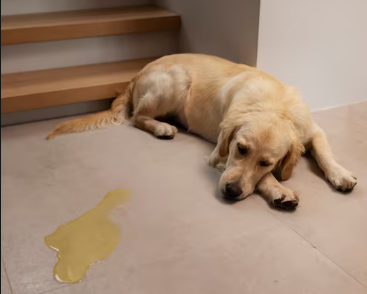
Seeing your dog vomiting white foam can be scary, especially when it happens suddenly. The good news is that dog vomiting white foam is often caused by something minor, like an empty stomach. But sometimes it points to a serious problem that needs fast help. In this guide, you will learn the common causes, what you can do at home, and exactly when to call a vet.
What Does White Foam Vomit Mean?
White foam is usually a mix of saliva, stomach fluid, and air. When there is no food in the stomach, your dog brings up this frothy liquid instead. A single episode in an otherwise happy, active dog is often not an emergency. Still, the cause matters, so look at the whole picture, not just the vomit.
Common Causes of Dog Vomiting White Foam
1. Empty Stomach
One of the most common reasons for dog vomiting white foam is an empty stomach. Acid and saliva build up when there is a long gap between meals, and the dog throws them up. This often happens early in the morning. If your dog seems normal afterward, a slightly later dinner or a small bedtime snack may help.
2. Acid Reflux or Gastritis
An irritated stomach lining can cause nausea and foamy vomit. Spoiled food, garbage, or sudden diet changes are common triggers. Dogs with gastritis may drool, lick their lips, and refuse food.
3. Eating Grass or Unusual Items
Many dogs eat grass and then vomit. Grass, small objects, or dirt can irritate the stomach and lead to white foam.
4. Kennel Cough
A dry, honking cough can end with a bit of white foam. It may look like vomiting, but your dog is actually coughing up mucus. Other signs include a runny nose and mild tiredness.
5. Bloat (GDV)
Bloat is a life-threatening emergency, mostly seen in large, deep-chested breeds. Watch for retching with nothing coming up, a swollen or hard belly, restlessness, and heavy drooling. A dog vomiting white foam with a swollen belly needs a vet immediately.
6. Poisoning
Chocolate, xylitol (a sweetener), toxic plants, rat poison, and household cleaners can all cause vomiting. If you suspect your dog ate something harmful, do not wait for symptoms to get worse.
7. Infections and Underlying Illness
Parvovirus, pancreatitis, kidney disease, liver disease, and intestinal blockages can all cause vomiting. These problems usually come with other signs, like weakness, diarrhea, or loss of appetite.
Dog Vomiting White Foam: Symptoms to Watch
Pay close attention if you notice any of these along with the vomiting:
- Repeated vomiting over several hours
- Blood in the vomit or stool
- Extreme tiredness or weakness
- Diarrhea
- A swollen, painful belly
- Pale gums
- Refusing food or water
- Trembling or collapse
What to Do at Home
If your dog vomited once and is acting normal, you can try these steps:
- Stay calm and observe. Note how often the vomiting happens and what it looks like.
- Rest the stomach. Many vets suggest withholding food for a few hours in healthy adult dogs. Do not do this with puppies, toy breeds, or dogs with diabetes unless your vet says so.
- Offer small sips of water. Gulping a large amount at once can trigger more vomiting.
- Reintroduce bland food. Small portions of boiled chicken and plain white rice are gentle on the stomach.
- Never give human medicine. Painkillers like ibuprofen can be toxic to dogs.
When to See a Vet
Contact your vet right away if:
- The vomiting happens more than two or three times
- Your dog is a puppy, a senior, or has a health condition
- There is blood in the vomit
- The belly looks swollen or your dog keeps retching without producing anything
- Your dog is very weak, pale, or not drinking
- You suspect poison or a swallowed object
- The problem continues for more than 24 hours
When in doubt, call. Dog vomiting white foam can turn serious quickly, and early treatment makes a big difference.
How Vets Diagnose and Treat the Problem
Your vet will ask about your dog’s diet, habits, and symptoms, then do a physical exam. Blood tests, X-rays, or an ultrasound may be needed. Treatment depends on the cause and may include anti-nausea medicine, fluids, a special diet, or surgery for blockages and bloat.
How to Prevent Vomiting in Dogs
- Feed on a regular schedule and avoid long gaps between meals
- Use smaller, more frequent meals
- Try a slow-feeder bowl for fast eaters
- Avoid table scraps and sudden diet changes
- Keep toxic foods, plants, and chemicals out of reach
- Avoid hard exercise right after meals
- Keep vaccinations and checkups up to date
A steady routine is the easiest way to prevent dog vomiting white foam in the long run.
Frequently Asked Questions
Is dog vomiting white foam serious?
It can be minor, such as an empty stomach, or serious, such as bloat or poisoning. Other symptoms and how often it happens tell you which.
Why is my dog vomiting white foam but acting normal?
This is often caused by stomach acid on an empty stomach or mild irritation. If it happens only once, watch closely. If it repeats, call your vet.
Can I give my dog milk or medicine to stop it?
No. Many dogs cannot digest milk well, and human medicines can be harmful. Ask your vet first.
How long should I wait before calling the vet?
If vomiting continues beyond 24 hours, or sooner with any warning sign above, call your vet.
Final Thoughts
Dog vomiting white foam is often minor, but it should never be ignored if it repeats or comes with other symptoms. Watch your dog’s behavior, keep feeding simple, and trust your instincts. When something feels wrong, a quick call to your vet is always the safest choice.

Pingback: How Long Is a Dog Pregnant? Gestation Period & Timeline