IVDD in dogs is one of the most common spinal problems that veterinarians in the United States treat, and it can strike without warning. One day, your dog is jumping onto the couch. The next day, he yelps when you pick him up.
If that sounds scary, you are not alone. Thousands of American families face this problem every year. The good news is that many dogs recover well when owners act fast.
This guide explains IVDD in dogs in plain English. You will learn the warning signs, the causes, the treatment options, and the steps that protect your dog’s back.
What Is IVDD in Dogs?
IVDD stands for intervertebral disc disease. To understand IVDD in dogs, picture your dog’s spine as a chain of small bones called vertebrae. Between each pair of bones sits a soft, jelly-like cushion called a disc. These discs work like shock absorbers every time your dog runs, jumps, or plays fetch.
Over time, a disc can harden, bulge, or burst. When that happens, it presses on the spinal cord, which runs through the middle of the spine. This pressure causes pain, nerve damage, and sometimes paralysis. Vets also call this problem a herniated disc or a slipped disc. It can affect the neck or the lower back.
The Two Types of IVDD in Dogs
Vets group this condition into two types. Knowing the difference helps you understand what to expect.
Hansen Type I is sudden and dramatic. The disc hardens early, then ruptures without warning. It usually hits small, long-backed breeds between three and seven years old. A dog can go from playful to painful in just a few minutes.
Hansen Type II develops slowly. The outer layer of the disc thickens and bulges over months or years. It is more common in larger breeds and senior dogs. Because the signs creep in, many owners mistake them for arthritis or normal aging.
Symptoms of IVDD in Dogs
The symptoms of IVDD in dogs depend on where the damaged disc sits and how much pressure it puts on the spinal cord. Signs range from mild soreness to complete paralysis. Watch for these red flags:
- Yelping or crying out when touched or lifted
- A hunched back or a tight, tucked-in belly
- Refusing to jump, climb stairs, or go outside
- Shaking, panting, or restlessness for no clear reason
- A stiff neck or a low head position
- Wobbly, drunken walking, which vets call ataxia
- Dragging or scuffing the back paws
- Weak or paralyzed back legs
- Loss of bladder or bowel control
Vets often rate severity on a five-point scale. Grade 1 means pain only. In Grade 2, the dog walks with a wobble. Grade 3 means he cannot walk without help. Grade 4 means paralysis. Grade 5 means paralysis plus loss of deep pain sensation, which is the most serious stage.
When IVDD in Dogs Becomes an Emergency
Some situations cannot wait until Monday morning. Go to an emergency vet right away if your dog suddenly cannot use his back legs. The same goes for a dog who cannot pee or who shows no reaction when you gently pinch a toe.
Timing matters a great deal. Dogs treated within the first 24 to 48 hours usually have much better outcomes. Waiting even a day or two can turn a treatable problem into permanent damage.
What Causes IVDD in Dogs?
Several factors work together to raise a dog’s risk.
Genetics and breed. Some breeds carry genes that make their discs wear out early. In these dogs, discs can begin to harden by one or two years of age.
Age. Type I often appears in young to middle-aged dogs. Type II shows up more in seniors.
Extra weight. Every extra pound puts more strain on the spine. Even a small amount of weight gain can hurt a small dog.
Rough activity. Jumping off furniture, rough play, and slipping on hardwood or tile floors can trigger a rupture in a dog with weak discs.
Trauma. Car accidents, hard falls, or being dropped can injure even a healthy disc.
Dog Breeds at Higher Risk
Any dog can develop this problem, but small dogs with long backs and short legs top the list. Common examples include:
- Dachshunds, by far the most affected breed
- French Bulldogs
- Beagles
- Corgis
- Shih Tzus
- Basset Hounds
- Cocker Spaniels
Larger dogs, such as Labrador Retrievers and German Shepherds, can also be affected. However, they usually develop the slower Type II form.
How Vets Diagnose IVDD in Dogs
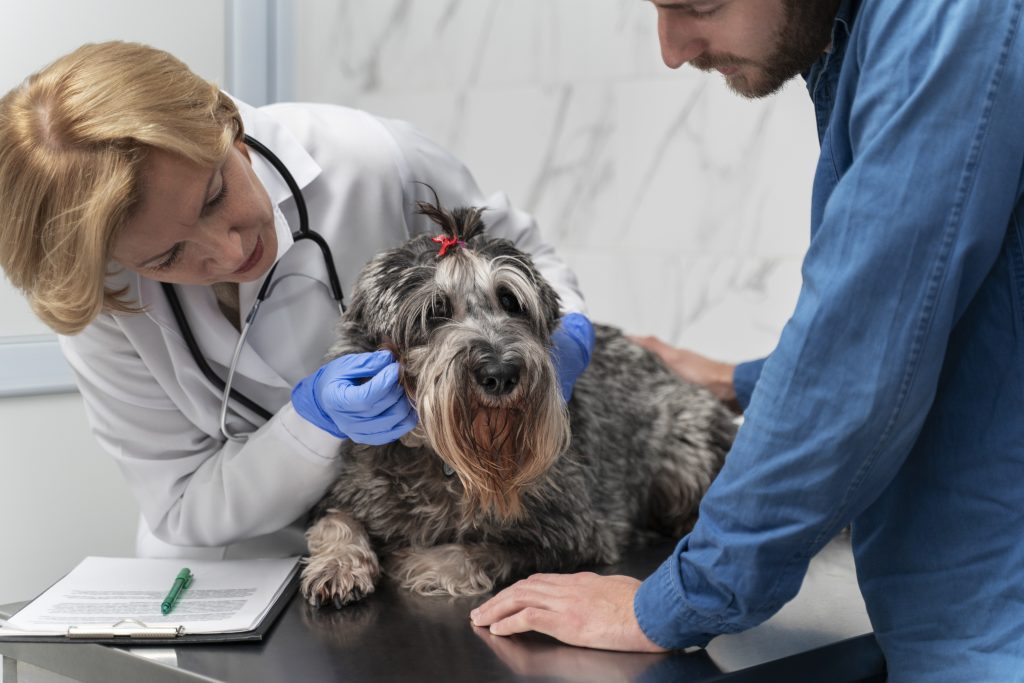
Because IVDD in dogs can look like arthritis or a pulled muscle, a proper diagnosis is important. First, your veterinarian will perform a physical and neurological exam. They will check your dog’s reflexes, watch him walk, and press along the spine to find sore spots.
Next, X-rays can rule out fractures, but they do not show the spinal cord clearly. To confirm a herniated disc, most dogs need an MRI or a CT scan. In the U.S., advanced imaging often costs between $1,500 and $3,000. It is usually done at a specialty or university animal hospital, and your vet may refer you to a veterinary neurologist.
Treatment Options for IVDD in Dogs
The right treatment depends on how severe the symptoms are and how quickly they appeared.
Non-Surgical Treatment
For mild cases, vets often recommend strict crate rest for four to six weeks. Your dog can only leave the crate for short leash walks to go potty. Your vet may also prescribe anti-inflammatory drugs, pain medicine, and muscle relaxers.
Never give your dog human painkillers like ibuprofen or Tylenol. They can be toxic to dogs. Also, resist the urge to let your dog run around once he seems better. Too much activity too soon is a leading cause of relapse.
Surgery
If your dog cannot walk, or if his symptoms keep getting worse, surgery is usually the best choice. The most common procedure is a hemilaminectomy. The surgeon removes a small piece of bone, which relieves pressure on the spinal cord and clears out the damaged disc material.
Surgery for IVDD in dogs is a major procedure. In the U.S., it often costs between $3,000 and $8,000 or more, depending on the hospital and your area. Many dogs who still feel deep pain make a strong recovery, with success rates commonly reported above 90 percent. Dogs who have lost deep pain sensation have a more guarded outlook, which is why speed matters so much.
Recovery From IVDD in Dogs
Recovery takes patience. After surgery, most dogs stay in the hospital for a few days. Then they continue crate rest at home for several weeks. Many dogs also benefit from physical rehab, such as underwater treadmill sessions, gentle stretching, and laser therapy.
Some dogs walk again within two weeks, while others need several months. Dogs with severe nerve damage may use a wheelchair or a support sling. In the meantime, you can help your dog heal at home:
- Put non-slip rugs or yoga mats on slick floors
- Keep him in a crate or small pen
- Support his chest and hips whenever you lift him
- Give all medications on time and keep every recheck visit
- Ask your vet how to help him empty his bladder if he cannot pee on his own
How to Prevent IVDD in Dogs
No one can guarantee that IVDD in dogs will never happen, especially in high-risk breeds. Still, smart habits lower the odds and protect your dog’s spine.
- Keep him lean. A healthy weight takes pressure off the back.
- Use a harness. A collar can strain the neck, especially in small breeds.
- Add ramps or pet stairs. Help him get on and off the couch and bed.
- Lift the right way. Always support the chest and back legs together.
- Improve traction. Add rugs or runners on hardwood and tile.
- Skip the rough play. Avoid high jumps and mid-air twists.
Frequently Asked Questions About IVDD in Dogs
Can IVDD in dogs heal on its own?
Very mild cases can improve with rest and medication. However, a vet must examine every dog first. Never assume back pain will simply go away.
Is IVDD painful for dogs?
Yes, it is often very painful. That is why fast veterinary care and pain control matter so much.
How long does recovery take?
Mild cases often improve in four to six weeks. Dogs who need surgery may take several weeks to several months.
Can IVDD come back after treatment?
Yes. A dog who has had one herniated disc can have another. Weight control, ramps, and a safe home setup help lower the risk.
Final Thoughts on IVDD in Dogs
IVDD in dogs can feel frightening, but you are not powerless. When you know the early warning signs, protect your dog’s spine, and act quickly, your dog has a real chance at a comfortable, active life. If your dog shows any sign of back or neck pain, wobbliness, or weakness, call your veterinarian today.