Trazodone for Dogs: Uses, Dosage & Side Effects
Trazodone for dogs is a prescription medication that veterinarians often recommend to calm anxious, fearful, or stressed pets. If your dog shakes during thunderstorms, panics at the vet, or can’t relax during crate rest after surgery, your vet may bring up this drug. It’s one of the most common calming medications in veterinary practice today.
Still, giving any medication to your best friend can feel stressful. You probably want to know what it does, how much is safe, and what could go wrong. This guide covers the uses, dosage, and side effects of trazodone for dogs in plain language, so you can walk into your vet’s office with the right questions.
What Is Trazodone for Dogs?
Trazodone is a serotonin antagonist and reuptake inhibitor (SARI). It was first developed for depression in people, but vets found it works well for anxiety and fear in dogs too. Because the FDA has not approved it specifically for pets, vets prescribe trazodone for dogs “off-label.” That’s completely legal and very common. Many drugs used in veterinary medicine are prescribed this way.
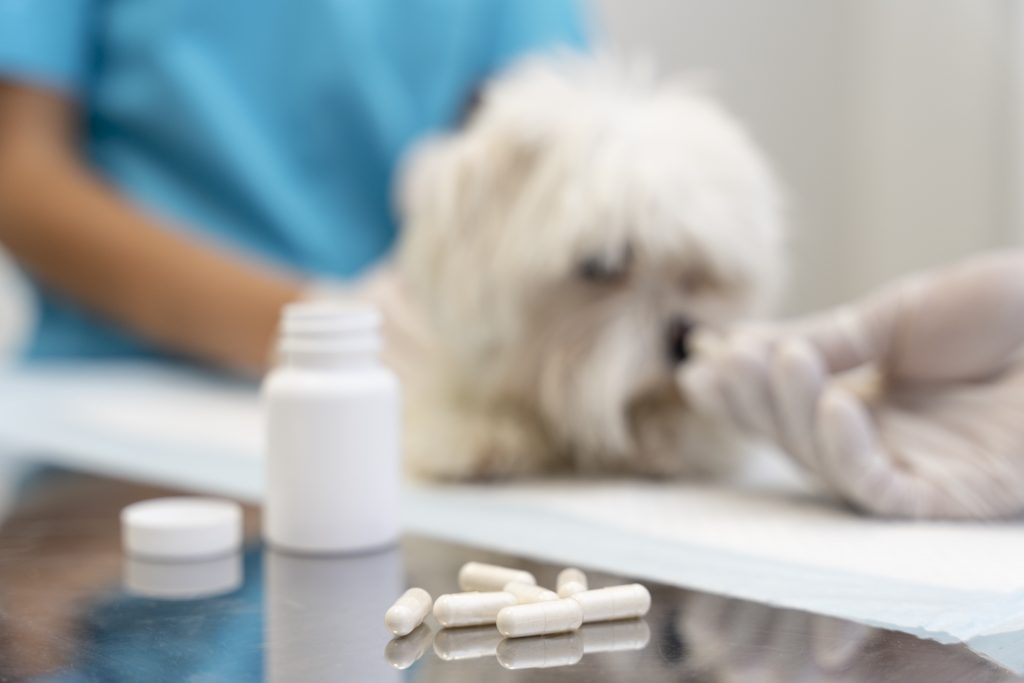
You’ll usually find it as a tablet in 50 mg, 100 mg, 150 mg, and 300 mg strengths. Brand names include Desyrel and Oleptro, but most pharmacies fill it with the generic version. Trazodone for dogs is available only with a valid prescription from your veterinarian.
How Does Trazodone Work in Dogs?
Trazodone changes how serotonin behaves in your dog’s brain. Serotonin is a chemical messenger that affects mood, fear, and sleep. By adjusting serotonin levels, trazodone helps take the edge off nervous behavior without knocking your dog out completely.
Most dogs stay awake and responsive but calmer and more relaxed. Some get pretty drowsy, especially at higher doses. Vets like trazodone for dogs because it has a wide safety margin and works well alongside other behavior treatments.
Common Uses of Trazodone for Dogs
Vets prescribe trazodone for dogs in several situations:
Situational anxiety. This is the most common use. Thunderstorms, fireworks, car rides, grooming visits, and vet exams can all trigger intense fear. A dose given ahead of time can make these events much easier.
Separation anxiety. Dogs who panic when left alone may drool, destroy furniture, bark nonstop, or have accidents. Trazodone can support a training plan, though it rarely fixes the problem alone.
Post-surgery confinement. After orthopedic surgery or an injury, dogs often need strict crate rest. Trazodone for dogs can keep them calm so they don’t undo the healing.
Generalized anxiety and behavior problems. For dogs with ongoing anxiety, vets sometimes combine trazodone with other medications like fluoxetine or gabapentin.
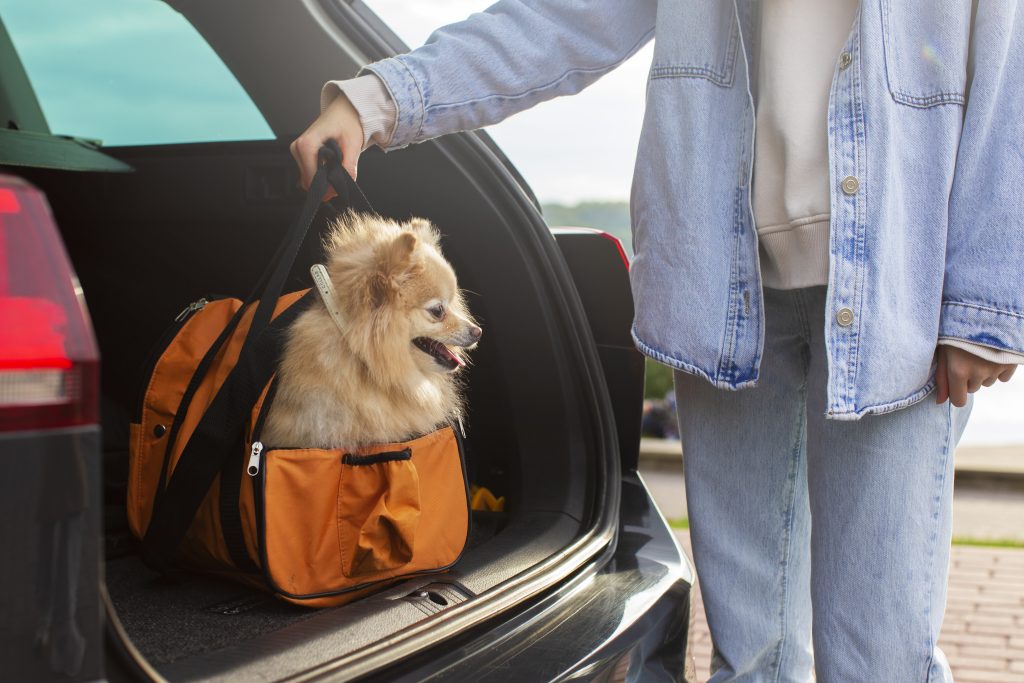
Boarding and travel. Some owners use it to help their dog handle kennel stays or long trips.
Trazodone for Dogs Dosage
Dosage is where you need the most caution. Never guess. The right amount depends on your dog’s weight, age, health, and the reason for treatment.
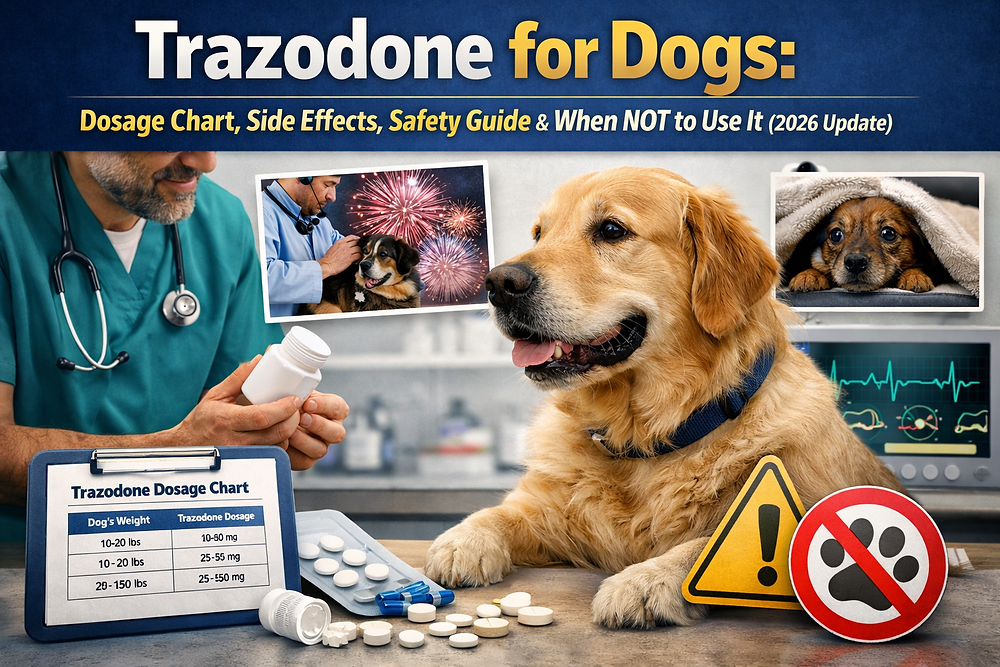
As a general reference, many vets prescribe trazodone for dogs at roughly 2 to 5 mg per kilogram of body weight (about 1 to 2.5 mg per pound) once daily or divided into two or three doses. For short-term situations like post-surgery rest, some vets go higher, up to around 7 mg per kilogram, but only under close supervision.
Here’s a simple example. A 20 kg (44 lb) dog might get somewhere between 40 and 100 mg, depending on the vet’s plan. Those numbers are for general understanding only. Your vet may adjust the dose after seeing how your dog responds.
Some important dosing tips:
- Start low. Vets often begin with a smaller dose and increase it if needed.
- Do not use human trazodone leftovers without your vet’s approval and exact dose.
- Never split or crush tablets unless your vet says it’s fine.
- Keep a log of the dose, time, and your dog’s reaction.
How to Give Trazodone to Your Dog
You can give trazodone for dogs with or without food. If your dog gets an upset stomach on an empty stomach, try giving it with a small meal or a treat. Wrapping the tablet in a bit of cheese, peanut butter (make sure it has no xylitol), or a pill pocket usually works well.
For situational triggers like fireworks or vet visits, give the dose about one to two hours ahead of time. Trazodone for dogs typically starts working within 30 minutes to two hours, and the effects last around eight hours in many dogs.
If you miss a dose for ongoing treatment, give it when you remember unless it’s almost time for the next one. Never double up.
Common Side Effects of Trazodone for Dogs
Most dogs handle the medication well, but side effects can happen. The most common ones include:
- Sleepiness or lethargy
- Wobbliness or loss of coordination
- Vomiting or nausea
- Diarrhea
- Increased appetite
- Panting or restlessness
- Dry mouth
These effects are usually mild and fade as your dog adjusts or as the dose wears off. Some dogs actually become more agitated instead of calmer. If that happens, call your vet, because trazodone may not be the right choice for that dog.
Serious Side Effects to Watch For
Rare but serious reactions to trazodone for dogs need quick attention. Contact your vet or an emergency clinic right away if you notice:
- Extreme agitation, tremors, or seizures
- Rapid heartbeat or trouble breathing
- Severe vomiting or diarrhea
- Collapse or extreme weakness
- A prolonged, painful erection (priapism), which is a rare but urgent problem in male dogs
- Signs of serotonin syndrome, such as high body temperature, drooling, muscle rigidity, and confusion
Serotonin syndrome happens when there’s too much serotonin activity in the body. It’s more likely when trazodone is mixed with certain other drugs or given in too high a dose.
Drug Interactions to Know About
Always tell your vet about every medication and supplement your dog takes. Trazodone for dogs can interact with:
- SSRIs like fluoxetine (Prozac) and sertraline
- Tramadol
- MAOIs such as selegiline
- Tricyclic antidepressants
- Certain anti-parasite products containing amitraz
- NSAIDs and blood thinners, which may raise bleeding risk
- Other sedatives like benzodiazepines
Some of these combinations are used on purpose by vets under careful monitoring. Problems arise when owners add medications or supplements on their own.
Dogs That Should Not Take Trazodone
Trazodone for dogs isn’t right for every pet. Use extra caution, or avoid it, if your dog has:
- Liver or kidney disease
- Heart problems
- Glaucoma
- A known allergy to trazodone
- Pregnancy or nursing status (safety isn’t well established)
Puppies and senior dogs may also need adjusted doses. Be sure your vet knows your dog’s full medical history before starting treatment.
What to Do in Case of Overdose
An overdose of trazodone for dogs can be dangerous. Signs include severe sedation, vomiting, tremors, a fast or irregular heartbeat, and seizures. If your dog eats too many tablets, especially if they get into your own prescription bottle, call your vet, an emergency animal hospital, or the ASPCA Animal Poison Control Center right away. Do not wait for symptoms to show up.
Can You Stop Trazodone Suddenly?
If your dog has taken trazodone for dogs daily for a while, don’t stop it abruptly. Sudden withdrawal can cause anxiety to come back stronger or lead to other symptoms. Your vet will usually lower the dose gradually. For occasional, one-time use, tapering isn’t needed.
Alternatives to Trazodone for Dogs
Medication isn’t the only path. Depending on your dog, your vet may suggest:
- Behavior training and desensitization
- Pheromone diffusers or collars (like Adaptil)
- Compression wraps such as a ThunderShirt
- Regular exercise and mental enrichment
- Other medications like gabapentin, clonidine, or fluoxetine
- Calming supplements with L-theanine or alpha-casozepine
The best results often come from combining trazodone for dogs with training and a calm, predictable routine.
Frequently Asked Questions
Is trazodone safe for dogs?
Yes, when a vet prescribes it and you follow the dosing plan. It has a good safety record, but it’s not risk-free.
How fast does trazodone work in dogs?
Most dogs feel the effects within one to two hours.
Can I give my dog my own trazodone?
Only if your vet approves it and gives you the exact dose. Human tablets can be the same drug, but the wrong amount can cause harm.
Will trazodone make my dog sleepy?
Many dogs get mildly sleepy or relaxed. Heavy sedation usually means the dose is too high, so tell your vet.
Can trazodone be used long term?
Yes, some dogs take it for months or years, with regular vet check-ups and sometimes blood work.
Final Thoughts
Trazodone for dogs can be a helpful tool for anxiety, fear, and stress, whether it’s a stormy night, a scary vet visit, or weeks of crate rest. It works best when it’s paired with training, a calm environment, and close guidance from your veterinarian.