Dog Reverse Coughing and Sneezing: Is It Serious?
Dog reverse coughing and sneezing can look terrifying the first time you see it. Your dog stands still, stretches out their neck, and starts making loud snorting or honking sounds like they can’t catch their breath. It’s easy to panic and assume something is stuck in their throat.
The good news is that most cases are harmless and pass in under a minute. Still, it helps to know what’s normal, what’s not, and how to help your pup through an episode. This guide covers the causes, home care tips, and warning signs of dog reverse coughing and sneezing in plain language.
What Is Dog Reverse Coughing and Sneezing?
Most vets call this condition a “reverse sneeze,” or paroxysmal respiration. Owners often describe it as reverse coughing because it sounds like a cough that’s being pulled inward. Either way, dog reverse coughing and sneezing is a sudden spasm of the throat and soft palate.
A normal sneeze pushes air out through the nose. In a reverse sneeze, your dog pulls air rapidly in through the nose instead. The soft palate gets irritated and tightens, which narrows the airway for a moment. That’s what creates the loud snorting, gasping, or gagging sound.
An episode usually lasts anywhere from a few seconds to a minute. Once it ends, your dog typically goes right back to normal, as if nothing happened.
What Does a Reverse Sneeze Look and Sound Like?
Knowing the signs can save you a lot of worry. During dog reverse coughing and sneezing, you might notice:
- Loud snorting, wheezing, or honking sounds
- Neck stretched out and head held forward
- Elbows pushed outward and chest expanded
- Standing still, sometimes with wide eyes
- Repeated, rapid inhaling through the nose
- Normal behavior right after the episode ends
Many owners compare the sound to a goose honking or someone gasping for air. It’s dramatic, but dogs usually stay conscious and alert the whole time. Their gum color should stay pink.
Common Causes of Dog Reverse Coughing and Sneezing
Vets don’t always find one clear trigger, but several things are known to set off an episode.
Irritants in the Air
Dust, pollen, perfume, cleaning products, smoke, and strong scents can tickle your dog’s nose and throat. Seasonal allergies are a common reason for dog reverse coughing and sneezing in spring and fall.
Excitement and Quick Drinking
Some dogs reverse sneeze when they get wildly excited or gulp water or food too fast. Playtime, greeting visitors, and mealtime are common moments for it to happen.
Pulling on the Leash
Tugging against a collar can put pressure on the throat and trigger a spasm. A harness is a simple fix for dogs who pull.
Post-Nasal Drip and Colds
Mucus dripping down the back of the throat can irritate the soft palate. If your dog has a cold or nasal infection, you may see dog reverse coughing and sneezing more often.
Nasal Mites and Foreign Objects
Tiny nasal mites, grass seeds, or bits of debris stuck in the nose can cause repeated episodes. If your dog is also sneezing regularly or pawing at their nose, mention it to your vet.
Anatomy and Breed
Small dogs and flat-faced (brachycephalic) breeds are more prone. Pugs, Bulldogs, Boston Terriers, Chihuahuas, Shih Tzus, and Pekingese often have longer soft palates and narrower airways. Dog reverse coughing and sneezing is very common in these breeds, though any dog can have it.
Reverse Sneezing vs. Coughing vs. Collapsing Trachea
Owners often mix these up, and it matters because the causes differ.
| Condition | What It Sounds Like | Air Movement |
|---|---|---|
| Reverse sneeze | Snorting, gasping, honking | Air pulled in through the nose |
| Regular cough | Hacking, wet or dry | Air forced out of the lungs |
| Collapsing trachea | Dry, goose-like honk | Worse with excitement or pulling |
Dog reverse coughing and sneezing happens in short bursts and ends suddenly. A true cough often continues or comes with other symptoms. If you’re not sure which one you’re seeing, record a video for your vet.
How to Help Your Dog During an Episode
You can’t always stop it instantly, but a few gentle steps may shorten dog reverse coughing and sneezing:
- Stay calm. Dogs pick up on your stress, and panic can make things worse.
- Gently stroke the throat. A light downward rub can help relax the muscles.
- Cover the nostrils briefly. Some vets suggest covering the nose for a second so your dog swallows, which can clear the irritation.
- Offer a little air or a distraction. Softly blowing in your dog’s face can prompt a swallow.
- Give a small drink. Once they settle, a few sips of water may help.
Don’t shove your fingers in your dog’s mouth or force anything down their throat. Most episodes pass on their own.
When Dog Reverse Coughing and Sneezing Is a Problem
Occasional episodes are usually nothing to worry about. But call your vet if you notice any of these:
- Episodes happen very often or are getting worse
- Lasts longer than a few minutes
- Nasal discharge, especially if it’s bloody, thick, or yellow-green
- Your dog seems tired, feverish, or loses their appetite
- Constant sneezing or pawing at the face
- Swelling or bad odor around the nose or mouth
Dog reverse coughing and sneezing that comes with other symptoms may point to infection, allergies, nasal mites, or something stuck in the nasal passages. A vet exam can sort out the cause.
Emergency Warning Signs
Get to an emergency clinic right away if your dog has:
- Blue, gray, or pale gums
- Struggling to breathe even after the episode ends
- Collapse or fainting
- Non-stop gagging with nothing coming up
- A swollen belly along with retching
These signs are not typical of a simple reverse sneeze. They may indicate choking, heart trouble, or a life-threatening condition like bloat.
How Vets Diagnose the Cause
If episodes keep happening, your vet will start with a physical exam and a full history. Bring notes about when the episodes occur, how long they last, and what seems to trigger them. A phone video is extremely helpful, since dogs rarely perform for the vet.
Depending on the findings, your vet may recommend:
- Nose and throat examination
- Chest or skull X-rays
- Rhinoscopy (a tiny camera to look inside the nose)
- Allergy testing
- Testing for nasal mites or infection
For most dogs with dog reverse coughing and sneezing, no serious cause is found, and simple monitoring is enough.
Treatment Options
Most dogs don’t need any treatment. Still, if your vet finds an underlying issue, they may suggest:
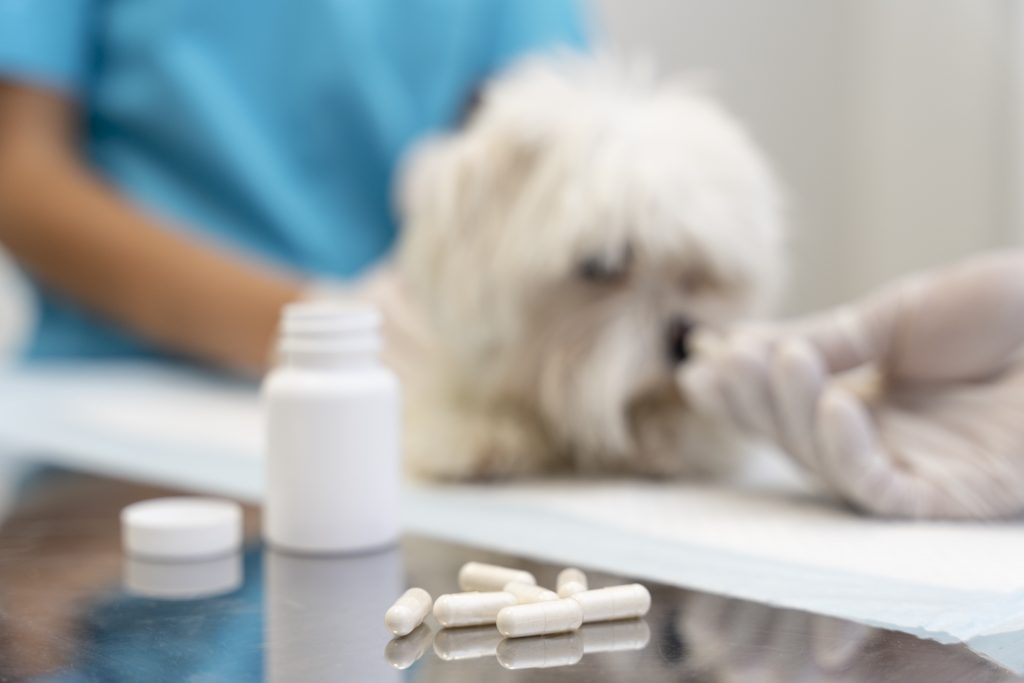
- Antihistamines for allergy-related episodes, but only at a vet-approved dose
- Anti-parasitic medication if nasal mites are found
- Antibiotics for bacterial infections
- Removal of a foreign object, sometimes under sedation
- Surgery in rare cases involving an elongated soft palate in flat-faced breeds
Never give your dog human cold or allergy medicine without checking with your vet first. Some contain decongestants or other ingredients that are toxic to dogs.
How to Prevent Dog Reverse Coughing and Sneezing
You can’t eliminate every episode, but these habits can reduce how often they happen:
- Use a harness instead of a neck collar for walks
- Keep your home clean and dust-free, and vacuum regularly
- Avoid smoke, air fresheners, and harsh cleaners around your dog
- Slow down fast eaters with a puzzle feeder or slow-feed bowl
- Manage allergies with your vet’s guidance
- Keep up with parasite prevention and regular check-ups
- Maintain a healthy weight, which eases pressure on the airway
Frequently Asked Questions
Is dog reverse coughing and sneezing dangerous?
Usually not. It looks scary but typically resolves on its own within a minute. See your vet if it becomes frequent or comes with other symptoms.
How long does a reverse sneeze last?
Most episodes last from a few seconds up to a minute or two.
Why does my dog reverse sneeze so much?
Common reasons include allergies, irritants, excitement, or anatomy in small and flat-faced breeds. Frequent episodes should be checked by a vet.
Can I give my dog Benadryl for reverse sneezing?
Only if your vet approves it and gives you the correct dose. Many products contain ingredients that aren’t safe for dogs.
Is a reverse sneeze the same as choking?
No. Choking is an emergency where your dog can’t breathe properly. In a reverse sneeze, your dog stays alert and returns to normal quickly.
Can puppies have reverse sneezing?
Yes. Puppies can have episodes, especially small or flat-faced breeds. If it happens often, ask your vet.
Final Thoughts
Dog reverse coughing and sneezing is one of those things that sounds much worse than it is. Most dogs bounce back within seconds and carry on like nothing happened. Staying calm, gently soothing your dog, and avoiding common triggers can make episodes shorter and less frequent.